Meta Presses Pause on AI Hiring Amid Restructuring and Cost Concerns
Meta halts recruitment and internal transfers in its AI division as part of a sweeping reorganization. The move follows lavish hiring and investor pushback.
 Sandhya
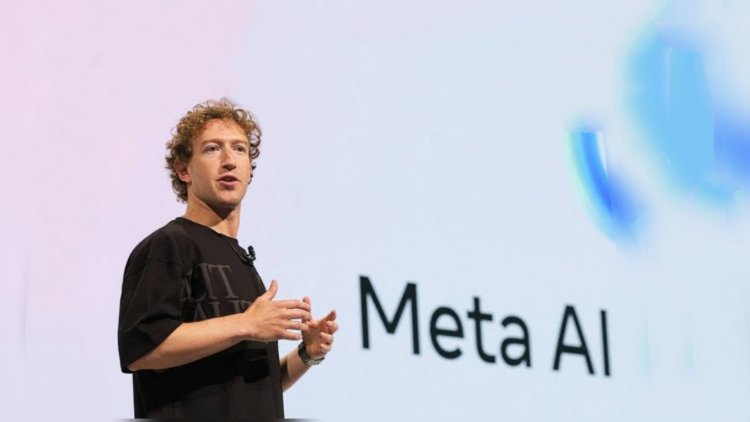
Meta Freezes AI Hiring and Restricts Staff Use of Rival Tools
In an unexpected move that’s stirring conversations across the tech industry, Mark Zuckerberg’s Meta has reportedly hit pause on AI hiring while also issuing strict restrictions on employees using competing AI platforms such as ChatGPT, Google Gemini, and others.
This shift comes at a time when AI is at the center of global tech innovation. Yet, Meta’s decision reflects not hesitation about AI’s potential but rather a more calculated restructuring of its talent strategy. Instead of scaling headcount in AI teams, the company seems determined to redirect resources, tighten internal control, and concentrate on building proprietary models that align with its long-term vision.
Why halt AI hiring now?
At first glance, the move might appear puzzling. After all, competitors like OpenAI, Anthropic, and Google are aggressively hiring AI talent. But insiders suggest that Meta is streamlining its approach to AI development, preferring to refine its in-house expertise rather than balloon the workforce.
The company’s long-term commitment to LLaMA (Large Language Model Meta AI) remains clear. However, this freeze signals that Zuckerberg’s leadership wants to avoid overextension and maintain tighter oversight during this high-stakes period of AI evolution.
The ban on rival AI tools
Perhaps even more striking than the hiring freeze is the reported internal ban on third-party AI tools. Employees are said to be discouraged, or outright prevented, from using generative AI systems built outside Meta. The reasoning? Data security, intellectual property protection, and competitive secrecy.
With sensitive projects in the pipeline, Meta cannot afford the risk of proprietary information leaking via external platforms. In today’s AI arms race, guarding trade secrets is as crucial as innovating itself.
Industry reactions
This dual move, halting AI hiring while tightening tool usage, has sparked debate. Some industry observers see it as a strategic reset, ensuring that Meta doubles down on building self-reliant AI infrastructure. Others view it as a defensive stance, signaling the company might be consolidating resources amid escalating competition and costs.
Regardless, one thing is clear: Meta isn’t backing away from AI. Instead, it’s changing its playbook, preferring sharper focus over broad expansion.
What this means for employees
For Meta’s workforce, the hiring freeze and restrictions could create mixed feelings. On the one hand, teams may feel reassured that the company is prioritizing security and innovation. On the other hand, limitations on tool access could slow down workflows or force employees to adapt to Meta-only solutions, even when external tools might offer better performance.
The bigger picture
Meta’s decision sits at the intersection of ambition and caution. Zuckerberg is betting that controlling every aspect of AI development in-house will pay off in the long run. By keeping employees inside a walled garden of innovation, Meta hopes to gain tighter control over quality, privacy, and competitiveness.
Yet, in an era where cross-platform collaboration fuels progress, critics argue this self-imposed isolation could be a double-edged sword.
Final Word
As Meta freezes AI hiring and clamps down on rival tool usage, the company is sending a powerful signal: it wants to own its AI future on its terms. Whether this strategy positions Meta as a leader or leaves it lagging behind more open ecosystems remains to be seen.