Meta Brings Ads to WhatsApp: What Users Need to Know
WhatsApp introduces ads in Updates tab, keeping chats private while launching new monetisation tools for creators and businesses.
 Anureet Kaur
WhatsApp Breaks Its Ad-Free Promise: Ads Arrive in Updates Tab
After more than a decade as the world’s largest ad-free messaging app, WhatsApp is entering a new era. Meta, its parent company, has officially begun rolling out advertisements within WhatsApp, marking a major shift in how the platform will generate revenue and interact with its more than 3 billion monthly users worldwide.
Where Will Ads Appear?
The new ads will only show up in the “Updates” tab—home to WhatsApp’s Status (similar to Instagram Stories) and Channels features. This means your personal chats and group conversations remain untouched and ad-free. The Updates tab, introduced in 2023, is where users share temporary photos, videos, and text updates that disappear after 24 hours, and where they can follow public channels for news, entertainment, and more.
“If you only use WhatsApp to chat, there is no change to your experience at all,” WhatsApp assured users in its announcement1.
What’s New? Key Monetisation Features
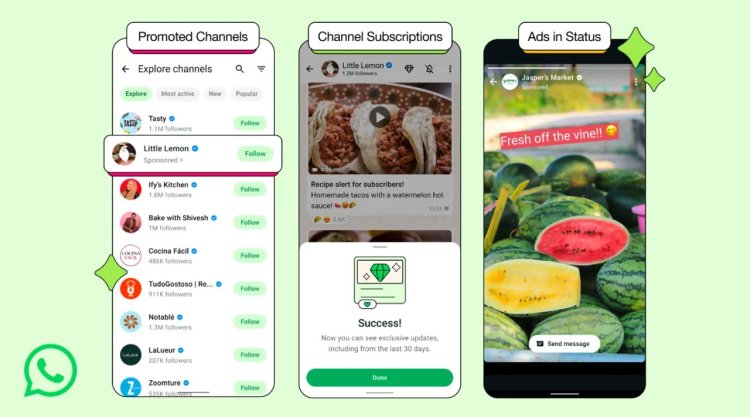
Meta’s update brings three major monetisation tools to WhatsApp:
- Status Ads: Businesses can now place ads in the Status section, similar to how ads appear in Instagram and Facebook Stories. These ads encourage users to interact directly with brands via WhatsApp’s messaging functions.
- Channel Subscriptions: Creators and organizations running Channels can charge followers a monthly fee for exclusive content, with Meta planning to eventually take a 10% cut of these subscriptions.
- Promoted Channels: Channels can pay to boost their visibility in WhatsApp’s Discovery section, helping them reach more users.
Why Is Meta Doing This?
Since acquiring WhatsApp in 2014 for $19 billion, Meta (then Facebook) has largely kept the app free of ads, even as it integrated WhatsApp more closely with Facebook and Instagram’s advertising-driven model. But with WhatsApp now serving over 3 billion users—including more than 100 million in the U.S.—Meta is looking to tap into this massive audience to drive new revenue streams.
This move is part of CEO Mark Zuckerberg’s vision to make WhatsApp a central part of Meta’s business, not just a messaging tool but a platform for commerce, customer engagement, and creator monetisation.
What About Privacy?
Privacy has always been a core promise of WhatsApp. Meta is emphasizing that these new ads and features will not compromise user privacy:
- End-to-End Encryption: Personal messages, calls, and statuses remain end-to-end encrypted—no one, not even Meta, can read or listen to them.
- No Data Sharing for Ads: WhatsApp says it will not sell or share phone numbers with advertisers, and personal chats will not influence ad targeting.
- Basic Targeting Only: Ads in Status or Channels will use basic information like your country, city, device language, and activity in the Updates tab—not your private conversations.
How Will Users React?
The introduction of ads marks a sensitive shift for WhatsApp, whose founders famously resisted advertising and built the app’s reputation on privacy and simplicity. Some users may welcome new ways to discover brands and creators, but others could see the move as a break from WhatsApp’s original promise of an ad-free experience.
Industry analysts have long predicted this change, given WhatsApp’s scale and Meta’s need to monetize its platforms. For now, the rollout will be gradual, with features appearing in different countries over the coming months.
The Bottom Line
- Ads are coming to WhatsApp, but only in the Updates tab (Status and Channels), not in personal chats or groups.
- New monetisation tools include channel subscriptions and promoted channels, opening new opportunities for creators and businesses.
- Meta promises that privacy and encryption remain untouched, with no ads in your private conversations.
As WhatsApp enters this new phase, users and businesses alike will be watching closely to see how the world’s favorite messaging app balances its legacy of privacy with the realities of digital advertising.