Mark Read’s WPP Legacy: Stability Amid Rapid Change
Mark Read’s WPP tenure brought stability and transformation, preparing the agency giant for a tech-driven, creative future.
 Anureet Kaur
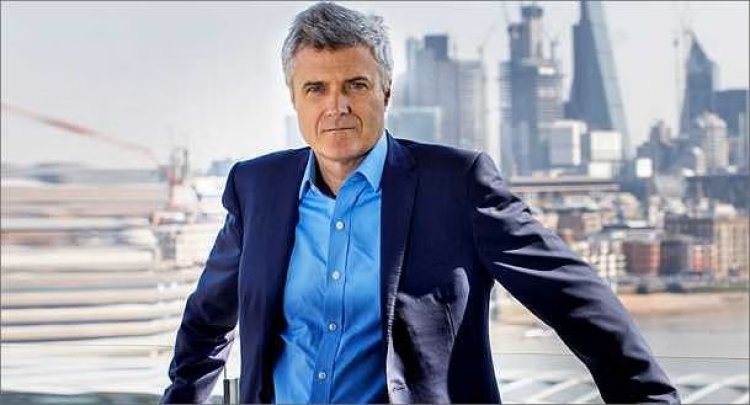
Mark Read Steps Down as WPP CEO After Steering Transformation and Stability
Mark Read, the CEO of global advertising giant WPP, has announced he will step down at the end of 2025, closing a remarkable chapter of leadership marked by rapid transformation, tough industry challenges, and a renewed sense of stability for the company. Read’s departure comes after more than 30 years with WPP, including seven years at the helm, and has sparked widespread reflection across the advertising industry on his impact and what lies ahead for the world’s second-largest ad network.
Filling Big Shoes in a Changing Industry
When Mark Read took over from legendary founder Martin Sorrell in 2018, he faced the daunting task of leading WPP through a period of intense upheaval. The advertising world was shifting rapidly, with digital platforms, tech giants like Google and Meta, and consulting firms disrupting traditional agency models. Under Read’s leadership, WPP navigated these headwinds by streamlining operations, consolidating agency brands, and investing in technology and AI.
Ashish Bhasin, founder of The Bhasin Consulting, noted,
“He had very large shoes to fill when he took over WPP after Martin Sorrell’s exit, and that too at a time when the industry itself was going through a period of rapid transformation.”
Streamlining and Strengthening WPP
Read’s tenure was defined by efforts to simplify WPP’s sprawling structure and strengthen its core business. He oversaw the consolidation of agency brands—sometimes at the cost of local market equity—and focused on making the business more agile and efficient. While these moves made sense globally, some industry veterans highlighted the challenges of balancing global synergy with local relevance, especially in markets where legacy brands like Lintas and JWT held strong reputations.
Despite these challenges, Read’s approach brought much-needed stability to WPP. Nisha Singhania, Co-founder and Director of Infectious Advertising, said,
“Mark Read brought stability when WPP needed it most and set the stage for transformation. Read’s exit now reflects the urgency for network creative giants to rewire themselves. The next WPP leader will need to balance creativity, agility, and tech-native thinking to stay ahead.”
Facing Industry Disruption
Read’s leadership coincided with a turbulent period for the advertising industry. WPP lost its top spot as the world’s largest ad network to Publicis Groupe and saw its share price drop 53% during his tenure. The company also faced declining earnings, lost major accounts like Coca-Cola North America, and restructured its media business, rebranding GroupM as WPP Media. Lloyd Mathias, marketing expert and angel investor, pointed out that these challenges were not unique to WPP:
“The rise of Google, Meta, and Amazon has fundamentally altered global ad spends. At the same time, consulting firms are chipping away at traditional agency roles, and AI is commoditizing creativity.”
Investing in Creativity and Technology
Despite setbacks, Read positioned WPP as a leader in creativity and technology. The company was named Creative Company of the Year at Cannes Lions in 2024 and launched WPP Open, a platform focused on AI-driven marketing solutions. Read emphasized that under his leadership, WPP built “a simpler, stronger business, and put structure and new energy behind our creativity and performance, powered by world-leading technology.”
What’s Next for WPP?
As WPP searches for its next CEO, industry watchers agree that the new leader will need to be bold, disruptive, and deeply attuned to both creativity and technology. The future will require balancing profitability, investing in talent, and adapting quickly to a landscape where data, AI, and local relevance are more important than ever.
Bhasin summed it up:
“WPP is a large, resilient group. Like any big organisation, it will go through its own learning curve and come back stronger. With the right leadership, they can certainly regain the position they once held. The future will belong to those who invest in people, stay profitable, and adapt fast.”
Mark Read leaves WPP having steered it through some of its most challenging years, bringing stability and laying the groundwork for a new era of creativity and tech-driven growth. As the advertising world watches closely, WPP’s next chapter will be defined by its ability to innovate, adapt, and lead in a rapidly evolving industry.