KFC Turns Gossip Culture into Product Theatre with Khushi Kapoor and Orry for Dunked Range
KFC partners Khushi Kapoor and Orry to launch its Dunked range through a culture-first digital film that reframes gossip, attention and at-home hangouts. The campaign highlights how QSR brands are competing for relevance in the social video era.
 Sandhya
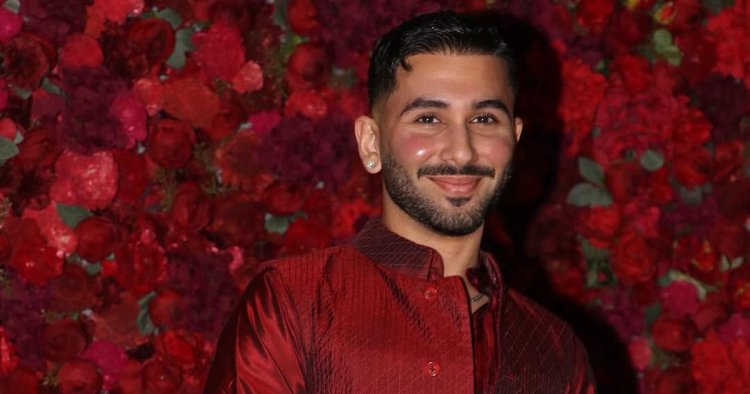
KFC is leaning into internet-native friendship dynamics and celebrity meme culture to introduce its new Dunked menu, casting Khushi Kapoor alongside social personality Orry in a digital-first film that places food at the centre of attention economics.
The reel, released across social platforms, unfolds like a slice-of-life hangout. A cancelled party plan, a swollen face, and a decision to stay in create the backdrop. What follows is structured around a familiar trait that has made Orry a recurring figure in youth pop culture: access to gossip.
View this post on Instagram
As he launches into rapid-fire revelations—breakups, direct messages, influencer habits—Khushi reacts with exaggerated curiosity. But the narrative device quickly flips. Her excitement is not for the tea; it is for the chicken. The camera repeatedly redirects attention to the new Dunked offerings, positioning flavour as the real headline act.
By the end of the exchange, the punch line lands with a line aimed squarely at culture turnover: gossip belongs to last year; upgraded indulgence is the present.
For marketers, the device is recognisable. Instead of building a traditional product demo, the brand borrows an already circulating public persona and repackages it into a metaphor for distraction. The message is simple: even the most viral conversation can lose to sensory gratification.
The casting is doing strategic work. Khushi represents rising Bollywood familiarity and Gen Z relatability, while Orry embodies networked access, party circuits, and the perpetual rumour mill. Together, they create a believable ecosystem where information flows fast and attention spans are shorter than ever.
Food, therefore, must interrupt.
The approach reflects a wider shift in quick-service restaurant communication, where menus are increasingly marketed not through ingredients but through moments. Shareability, meme potential and replay value are becoming as important as taste claims.
By situating the action at home rather than in a restaurant, the film also acknowledges how consumption behaviour has evolved. Delivery, streaming culture and intimate social viewing have turned living rooms into primary brand stages. Staying in is no longer framed as missing out; it is reframed as premium access to comfort.
Importantly, the script resists heavy persuasion. The product wins not because someone argues for it, but because it naturally dominates the frame. This subtlety aligns with how younger audiences decode advertising; overt selling often triggers resistance, while cultural participation earns tolerance.
There is also platform logic at play. Short-form video thrives on recognisable personalities performing amplified versions of themselves. Orry gossiping is expected behaviour. Subverting that expectation by making him secondary to the food creates the hook.
For KFC, the Dunked range becomes a vehicle to enter conversations about upgrading habits—moving from talking about people to experiencing flavour. It is less about introducing an SKU and more about inserting the brand into how friends spend time together.
As competition in QSR intensifies and differentiation on price narrows, cultural embedding becomes a durable advantage. This campaign signals that the chain intends to compete not just on kitchen innovation but on narrative fluency within digital youth culture.