Google Search Flips Reality With Stranger Things Upside-Down Search Feature
Google turns search results into the Upside Down from Stranger Things, blending pop culture fun with interactive technology to delight fans and spark playful curiosity.
 Sandhya
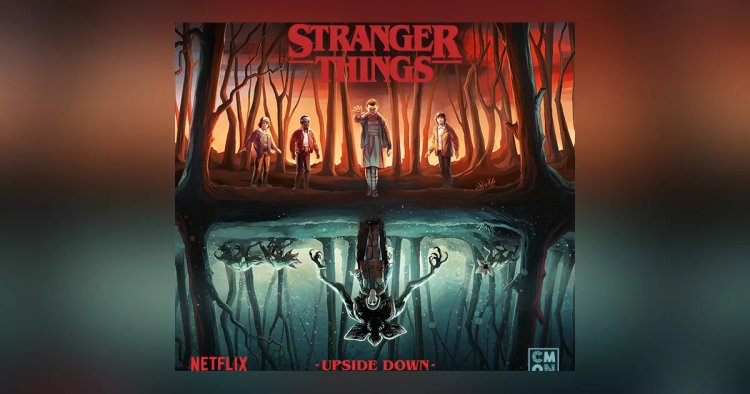
Google Search is taking fans on a delightful detour into the world of Stranger Things with a playful twist that turns search results on their head — quite literally. In a creative nod to the Netflix phenomenon, Google has launched an interactive Easter egg that transforms the usual search experience by mimicking the eerie, inverted realm known as the Upside Down. It’s a fun, fan-friendly feature that injects a dose of pop culture magic into everyday browsing.
The idea is straightforward yet captivating. When users search for specific Stranger Things related terms, Google asks if they want to flip their search into the Upside Down. With a click, the familiar blue and white interface rotates into a mirrored, darker theme that evokes the mysterious world from the show. Suddenly, search elements feel a bit more adventurous, playful and delightfully surreal.
This cheeky feature is not about functional search improvements or algorithmic breakthroughs. Instead, it underscores how digital experiences can borrow from beloved entertainment worlds to spark curiosity and joy. After all, Stranger Things has become more than a series — it’s a cultural touchstone that resonates with audiences across generations. By tapping into this shared enthusiasm, Google is adding an imaginative layer to a tool most of us use every day without thinking twice.
The transformation into the Upside Down is more than just a visual flip. It brings subtle animations, changed colour tones and Easter egg text that feels like a wink to fans. The result is a familiar search engine that suddenly seems just a little more mysterious — much like the mysterious town of Hawkins itself. It’s an invitation to play, discover and enjoy the unexpected side of technology that doesn’t always take itself too seriously.
Google’s playful leap into pop culture also reflects a broader trend where tech platforms embrace entertainment narratives to build moments of engagement. Whether it’s augmented reality experiences, interactive doodles or themed Easter eggs, these features serve to bridge everyday tech with cultural moments that people care about. In this case, the Upside Down theme turns an otherwise routine activity into a small moment of delight.
The Stranger Things Easter egg arrives at a moment when the series continues to hold strong cultural attention. Fans eagerly await each season, dissecting plot twists and debating character arcs long after episodes air. This kind of deep engagement creates fertile ground for creative brand or platform tie-ins, and Google’s choice to lean into it feels like a celebratory nod to that fandom energy.
Importantly, this isn’t a superficial stunt. The Easter egg does not interrupt users’ ability to find results or navigate the web. It enhances the experience without blocking functionality, proving that entertainment can coexist with utility. You can flip into the Upside Down, enjoy the changed atmosphere, and then easily return to the normal search view with a single click. This balance between playfulness and practicality keeps the feature from crossing into gimmick territory.
For fans of the show, the effect goes beyond novelty. It taps into the emotional connection many feel with the Stranger Things universe — the thrill of discovery, the blend of whimsy and eeriness, and the joy of shared cultural references. Turning a search page upside down doesn’t just look cool; it feels like a playful salute to the world the series has built.
From a branding perspective, the collaboration also highlights how major tech companies can engage audiences in ways that feel light and enjoyable without heavy advertising or overt messages. Google’s brand is already deeply integrated into daily life, and this feature simply adds personality to a tool most people consider purely utilitarian. That kind of subtle brand storytelling can have lasting recall precisely because it surprises rather than demands attention.
The upside down effect also sparked reactions on social media, where users shared screenshots, reactions and playful commentary about their flipped search pages. This organic sharing amplifies the moment far beyond search screens, turning individual interaction into a broader social experience.
While the core mechanics of searching remain the same, this thematic twist reminds us that even routine online experiences can become moments of whimsy. It’s a reminder that technology doesn’t always have to be about efficiency and precision. Sometimes, it can be about delight, shared cultural language and a little bit of mystery.
In the end, Google’s Stranger Things inspired feature feels like a small celebration of imagination. It invites users to step briefly into a world turned upside down, to enjoy the unexpected and to smile at the intersection of utility and creativity. For fans and casual searchers alike, it adds a playful dimension to a tool we all use — proving that even the most familiar interfaces can surprise us with a clever twist.