Activists Slam WPP, Publicis as “Climate Criminals” in Protests
WPP and Publicis face global protests over fossil fuel ad contracts, with activists demanding an end to greenwashing and climate-harming campaigns.
 Anureet Kaur
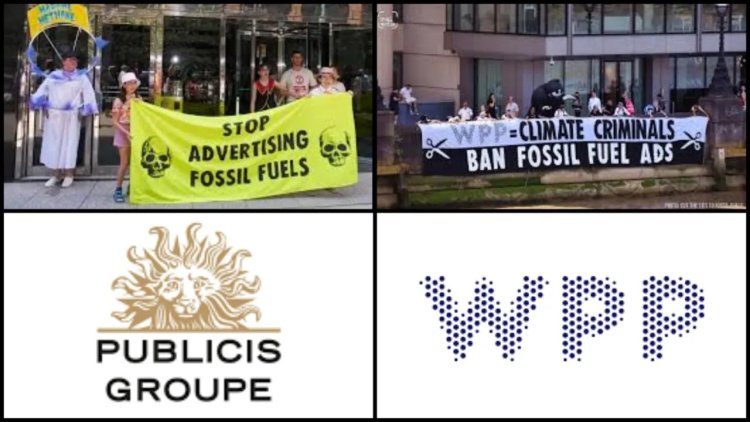
Two of the world’s largest advertising agencies, WPP and Publicis Groupe, have come under intense fire from climate activists, who branded them “climate criminals” in dramatic protests staged in London and New York City. The coordinated demonstrations, led by groups like ‘Cut The Ties to Fossil Fuels’ and Extinction Rebellion, spotlighted the agencies’ extensive work for fossil fuel giants and called for an immediate end to advertising that promotes polluting industries.
Dramatic Protests Target Ad Giants
On June 25, 2025, the London headquarters of WPP was the scene of a striking protest. Activists dropped a 15-meter banner from the Thames river embankment reading, “WPP are Climate Criminals, Ban Fossil Fuel Advertising.” Instead of a traditional sit-in, protesters staged a “die-in,” lying in front of the building wrapped in funeral shrouds emblazoned with logos of WPP’s major fossil fuel clients, including Adani, BP, ExxonMobil, Shell, and even Coca-Cola. The Grim Reaper—played by a protester—stood atop a makeshift oil rig, adding theatrical flair to the urgent message.
Simultaneously, Extinction Rebellion activists in New York blockaded the entrance to Publicis Groupe’s headquarters, chaining themselves to the doors and performing street theatre. The protest coincided with a record heatwave in the city, underlining the real-world impact of climate change. Ten activists, including two minors, were arrested during the demonstration.
Why Are WPP and Publicis Under Fire?
Both agencies are accused of enabling fossil fuel companies to maintain a positive public image and delay climate action through advertising and PR campaigns. WPP reportedly holds at least 79 contracts with major fossil fuel companies, while Publicis has 40 such contracts, including with Saudi Aramco and TotalEnergies.
Activists argue that these partnerships directly contradict the agencies’ own sustainability pledges. WPP’s policy claims it will “not take on any client work, including lobbying, designed to frustrate the objectives of the Paris Agreement”—the global treaty to limit warming to well below 2°C. However, campaigners and legal experts allege that WPP’s ongoing work for fossil fuel clients, including lobbying against pro-climate policies, breaches both the spirit and letter of international climate guidelines.
Publicis, while touting a “Net Zero Climate Policy” aiming for net-zero emissions by 2040 and 100% renewable energy by 2030, has no mention of fossil fuels in its climate commitments—a glaring omission, according to critics.
Greenwashing and Legal Risks
Campaigners have also accused the agencies of “greenwashing”—crafting misleading campaigns that make fossil fuel companies appear environmentally responsible while they continue to expand oil and gas operations. WPP has even been reported to global watchdogs like the OECD for allegedly breaching international guidelines on responsible business conduct, with calls for greater transparency about the environmental impact of its advertising work.
Dr. Veronica Wignall of Adfree Cities stated, “It is now both morally unforgivable and a legal risk to do promotional work for toxic brands like Shell and Coke. WPP is currently working against the greener, fairer future the world urgently needs; we’re calling on WPP to live up to its climate pledges and stop promoting polluters”.
Global Pressure for Change
The protests come amid growing international pressure on the advertising industry to cut ties with fossil fuel clients. UN Secretary-General António Guterres recently condemned PR and ad firms as “enablers to planetary destruction,” urging them to stop taking on new fossil fuel clients and to set out clear plans to drop existing ones. He also called for governments to ban fossil fuel advertising, likening it to tobacco ad bans due to its harmful impact on public health and the planet.
More than 1,400 agencies worldwide have already signed the Clean Creatives pledge, refusing to work with fossil fuel companies, showing that a transition away from polluting clients is possible and increasingly expected by the public and regulators.
As climate activism intensifies and legal risks mount, the world’s largest advertising agencies face a critical choice: continue lucrative contracts with fossil fuel giants or align their business with climate science and global sustainability goals. The recent protests mark a turning point, with activists, legal experts, and even the United Nations demanding urgent action to end greenwashing and support a cleaner, safer future