Zouk’s Valentine’s Film Celebrates Small Gestures That Make Big Love
Zouk’s Valentine’s campaign Make Space For Love highlights the power of everyday gestures, framing love as lived, felt, and shared in ordinary moments.
 Sandhya
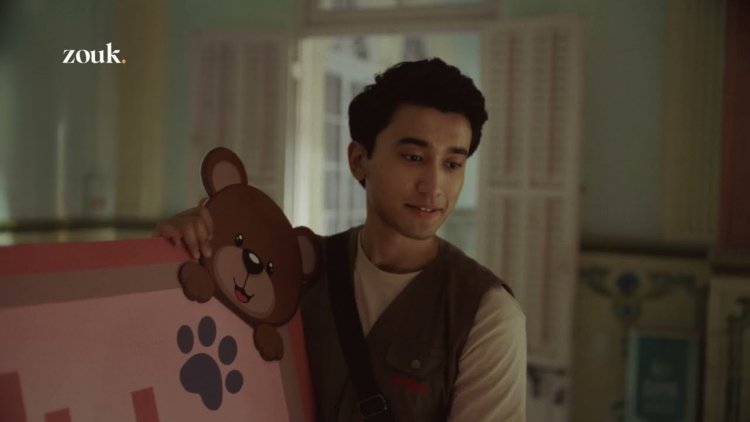
As Valentine’s Day approaches, experiential lifestyle brand Zouk has launched its latest campaign, Make Space For Love, a warm and human-centric film that reframes romantic expression away from grand gestures and overnight getaways, focusing instead on the quiet, ordinary acts that signify affection and connection in everyday life. This creative direction showcases a growing trend in relationship storytelling within advertising — one that prioritises realism and emotional nuance over fantasy-driven narratives and spectacle.
While Valentine’s campaigns historically gravitate toward dramatic declarations of love — candlelit dinners, surprise proposals, never-ending gifts — Zouk’s narrative takes a different angle. Rather than positioning love as something reserved for special occasions, Make Space For Love presents it as something we cultivate through presence, attention, and small but meaningful actions. In doing so, the film invites audiences to consider love not in terms of perfection, but presence.
A Story Built On Relatable Moments
The campaign’s storytelling unfolds through a series of vignettes that depict everyday scenes many can recognise. A couple pausing to share a cup of coffee before work. Friends lingering a few extra minutes on a park bench simply to talk. A partner remembering a favourite song and playing it again. These moments, subtle in isolation, are stitched together in the film to create a richer emotional tapestry — one that suggests love is made visible not in grand gestures, but in consistency and thoughtfulness.
This narrative choice resonates strongly with contemporary audiences, particularly younger consumers who have grown weary of overstated romantic tropes and seek more authentic representations of relationships. By presenting love through the lens of everyday interaction, Zouk aligns itself with an emerging cultural preference for grounded storytelling that feels familiar rather than staged.
Visual And Tonal Approach
Visually, the campaign steers clear of extravagant set pieces or heightened drama. Instead, it prioritises natural light, everyday settings, and real-feeling interactions. The pacing mirrors the cadence of life itself — not hurried, not staged, but flowing with gentle rhythm. The film’s soundtrack supports this tone, complementing the visual narrative with subtle musical cues that enhance emotional resonance without overwhelming it.
Rather than relying on narration, the communication allows moments to speak for themselves. This restraint reinforces the authenticity of the ritualised gestures depicted, inviting viewers to project their own experiences of love onto the scenes rather than being told how to feel.
Brand Positioning Through Emotional Insight
Zouk’s Make Space For Love is not simply a campaign about Valentine’s Day; it is an articulation of the brand’s broader positioning as a lifestyle companion. Zouk, known for its experiential spaces and curated social environments, has consistently emphasised the value of presence and connection. This campaign extends that positioning into cultural narratives around love and relationships.
By focusing on everyday love, the brand subtly suggests that meaningful experiences need not be expensive, elaborate, or Instagram-worthy — they need only be attentive, intentional, and shared. This message dovetails with evolving consumer behaviour, where emotional authenticity increasingly outweighs status symbolism.
Cultural Context And Consumer Expectations
Today’s audiences, particularly millennials and Gen Z, often express preference for media and advertising that reflect the complexities and messiness of real life. This extends to romantic storytelling, where narratives of resilience, imperfection, and relational maintenance resonate more deeply than tales of sweeping passion. Zouk’s campaign aligns with this cultural shift, suggesting that the way we understand love is changing — from dramatic inflection points to relational continuities.
This realignment in emotional narrative mirrors broader shifts in lifestyle consumption. Consumers today want brands that speak to meaningful lived experience, not aspirational fantasy. They are less likely to be moved by dramatized depictions of romance and more likely to engage with stories that reflect life as it is — with its routines, small celebrations, shared glances, subtle adjustments, and everyday care.
A Narrative That Invites Reflection
Make Space For Love invites reflection rather than performance. Rather than telling viewers what love should look like, it shows them what love does look like — in the quiet moments between grand events and public celebrations. It posits that love is most visible where it is practiced consistently, in spaces that accommodate vulnerability, patience, and presence.
This approach has implications beyond Valentine’s Day itself. It suggests that emotional investment is not a seasonal activity but an ongoing one. In reinforcing this idea, Zouk stakes a claim not just in hearts, but in minds. It positions the brand alongside the everyday rituals of life — those unglamorous moments that nevertheless matter most.
Why This Matters
At a time when many brands are competing to outdo each other with dramatic displays and extravagant campaigns, Zouk’s decision to spotlight everyday gestures feels both brave and relevant. It reinforces the idea that emotional resonance can be crafted through simplicity and honesty.
By making space for love in ordinary moments, the campaign not only celebrates connection but also redefines what Valentine’s storytelling can be — a testament to enduring companionship rather than ephemeral spectacle. In doing so, Zouk invites audiences to consider love not as something to be displayed, but something to be lived.