Vaishnaw Urges Platforms to Rethink Revenue Sharing With News Publishers
Union Minister Ashwini Vaishnaw urges digital platforms to voluntarily rethink revenue sharing with news publishers, warning that legal measures may follow if concerns remain unaddressed.
 SociapaHQ
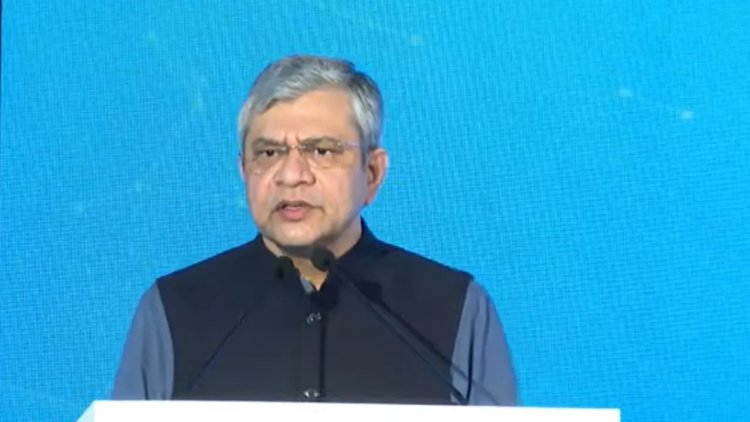
New Delhi: At the Digital News Publishers Association Conclave 2026, Union Minister Ashwini Vaishnaw called on digital platforms to voluntarily revisit their revenue-sharing models with news publishers and content creators, cautioning that governments worldwide have already demonstrated that legal intervention remains an option.
Addressing platform representatives and media stakeholders, Vaishnaw said he would “request all the platforms to rethink your revenue-sharing policies,” describing the issue as a growing concern across society. He added that if voluntary course correction does not happen, “there are so many countries that have shown the path to get it done in a legal way,” signaling the possibility of regulatory measures.
Although he did not name specific jurisdictions, several countries have enacted or proposed laws requiring technology platforms to negotiate compensation frameworks with news publishers for the use and distribution of their content. The minister’s remarks place India within that broader global debate around platform accountability and economic fairness in the digital ecosystem.
Vaishnaw argued that revenue must be shared fairly with all contributors to the digital content economy. “The platforms must also share revenue in a fair way with the people who are creating the content,” he said, referring not only to traditional media houses but also to independent creators, influencers, academics and researchers who rely on digital platforms to distribute their work.
Framing the issue as one that extends beyond commercial disputes, the minister linked fair compensation to the protection of intellectual property and long-term societal growth. He noted that civilisation has progressed on the strength of intellectual contributions across science, arts, literature and technology. If original work is not adequately respected or compensated, he warned, broader human progress could be hindered.
“The society grew on the basis of that intellectual property,” he said, adding that incentives for creating original work must be preserved. According to him, ensuring fair appreciation and compensation is essential to sustaining innovation and creativity.
Beyond revenue-sharing, Vaishnaw positioned the discussion within a larger trust deficit affecting global digital ecosystems. He emphasised that institutions such as media, judiciary and legislature are built on public trust, and that this foundation is being challenged by deepfakes, synthetic media and large-scale misinformation.
“The way the world is emerging today, that core tenet of trust is under threat,” he said, describing manipulated content and disinformation as factors that can erode confidence in institutions and blur the line between fact and fabrication.
He warned that synthetically generated images and videos with “absolutely no correlation with reality” are creating confusion at scale. As a result, ordinary citizens may begin to question foundational social structures, he noted, calling it a significant risk.
As digital platforms increasingly influence information flows and public discourse, Vaishnaw argued that they can no longer position themselves as neutral intermediaries. “The times are gone when a platform could say that they are not responsible for the content,” he said. “The platforms must take responsibility for what they are publishing.”
The remarks signal growing policy attention in India toward platform regulation, revenue frameworks and content accountability, particularly as digital media continues to reshape news consumption and public debate.