Trump Says Coca-Cola Will Switch to Cane Sugar
President Trump announces Coca-Cola’s US recipe shift from corn syrup to real cane sugar.
 Anureet Kaur
Trump Claims Coca-Cola Agrees to Switch to Cane Sugar in US
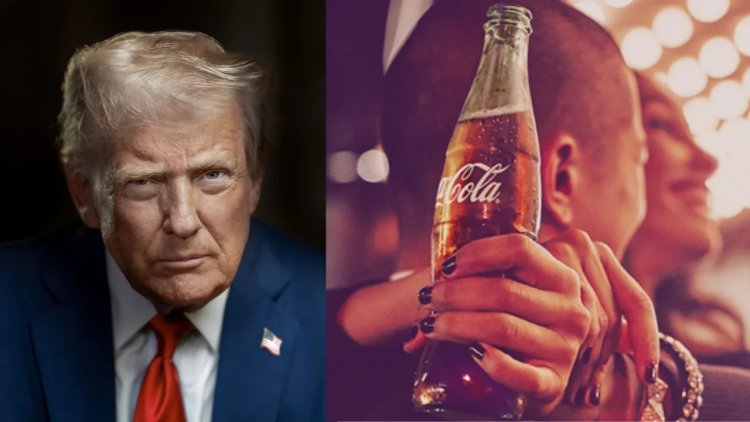
In a surprising development stirring much discussion, former President Donald Trump announced that Coca-Cola has agreed to replace high-fructose corn syrup (HFCS) with real cane sugar in its beverages sold in the United States. Trump shared this news on his social media platform, Truth Social, expressing gratitude toward Coca-Cola’s leadership and suggesting this switch will be “a very good move” and “just better.”
What Exactly Did Trump Say?
On July 16, 2025, Trump posted:
“I have been speaking to Coca-Cola about using REAL cane sugar in Coke in the United States and they have agreed to do so. I’d like to thank all of those in authority at Coca-Cola. This will be a very good move by them. You’ll see. It’s just better!”
The statement indicates discussions between Trump and Coca-Cola executives led to an agreement to adjust the popular soft drink’s sweetener in the U.S. market to cane sugar instead of the commonly used high-fructose corn syrup.
Coca-Cola’s Response: Appreciation but No Confirmation
Coca-Cola has responded cautiously. A company spokesperson told multiple outlets they “appreciate President Trump’s enthusiasm” for the brand and promised more details on new innovative offerings within Coca-Cola’s product lineup “will be shared soon.” However, the company has not officially confirmed that it will reformulate its flagship Coca-Cola beverages sold in the United States or specified any immediate changes.
Why Does This Matter?
In the US, Coca-Cola and many other soft drinks have used HFCS for decades, primarily because it is less expensive than cane sugar. By contrast, in other countries—including Mexico, India, and Australia—Coca-Cola’s formula incorporates cane sugar, which many consumers believe provides a cleaner, crisper taste. The so-called “Mexican Coke”, sold in glass bottles with cane sugar, has even developed a cult following in the United States for its distinctive flavor.
Switching back to cane sugar in the US would thus align Coca-Cola with these international markets and potentially appeal to health-conscious and nostalgic consumers seeking the original taste reminiscent of Coca-Cola’s earliest recipes.
The Irony: Trump’s Preference for Diet Coke
Interestingly, although Trump advocates cane sugar for classic Coke, he is well known for drinking Diet Coke, which contains neither corn syrup nor cane sugar; it is artificially sweetened with aspartame. During his presidency, Coca-Cola’s CEO James Quincey even gifted Trump a custom Diet Coke bottle for his inauguration. This contrast highlights that Trump’s public push for cane sugar is perhaps more symbolic or political than personal taste.
The Larger Context: Health Concerns and Industry Response
Trump’s announcement is partially linked to his government’s “Make America Healthy Again” (MAHA) initiative, spearheaded by Health and Human Services Secretary Robert F. Kennedy Jr. MAHA targets reducing unhealthy food ingredients, including HFCS, due to growing concerns about obesity, diabetes, and other chronic illnesses.
HFCS, derived from corn, has faced criticism for being an inexpensive sugar substitute that may contribute to health problems when heavily consumed. Proponents of cane sugar argue it is a more natural sweetener, although scientific consensus suggests both have similar caloric content and metabolic impact.
Unsurprisingly, corn growers and refiners have pushed back on Trump's efforts, warning that reducing HFCS use could disrupt the US corn industry, a major agricultural sector. Trade groups like the Corn Refiners Association have emphasized HFCS’s economic importance and nutritional equivalence to cane sugar.
What Could This Mean for Coca-Cola?
If Coca-Cola follows through with the switch, it could:
- Change production processes and sourcing to prioritize cane sugar.
- Respond to consumer demand for ‘cleaner’ ingredients.
- Shift public perception by supporting US-grown sugarcane or imported sources.
- Impact costs and pricing, since cane sugar is often costlier than HFCS.
- Influence competitors and broader beverage industry trends.
What Else to Watch For?
Coca-Cola’s official announcements in the coming weeks will be crucial to understanding the scale and timing of any change. The company might also introduce limited-edition products or regional variants before a nationwide rollout.
Consumers may soon see different labels or packaging denoting the use of cane sugar, in a move that could revive nostalgic branding and boost sales.
Donald Trump’s announcement has thrust a longstanding debate over soft drink sweeteners back into the spotlight. Whether this signals a real shift or a strategic marketing move remains to be seen. For now, the US public and beverage industry watchers wait for Coca-Cola’s next steps as they consider a possible return to “REAL cane sugar” in one of America’s most iconic beverages.