Rebel Foods Eyes Exit from Smoor Amid Losses, Restructuring
Rebel Foods may exit Smoor after rising losses and restructuring, reflecting challenges in premium chocolate and cloud kitchen markets.
 Anureet Kaur
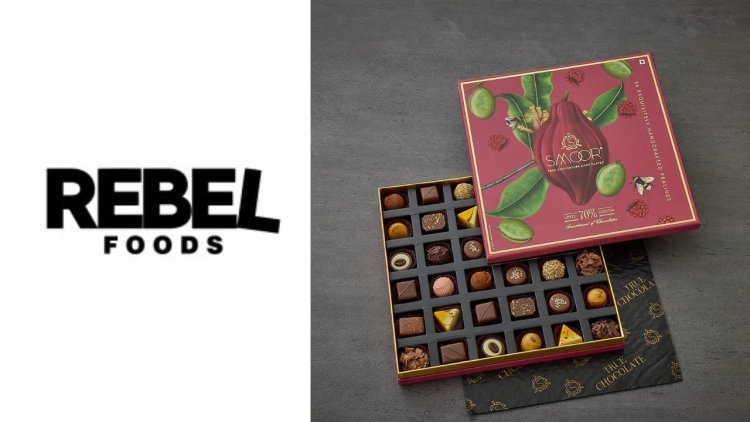
Rebel Foods, the cloud kitchen giant behind popular brands like Faasos and Behrouz Biryani, is reportedly in talks to exit its majority stake in Smoor, a premium chocolate and dessert brand. This move comes as part of a broader operational restructuring and signals a shift in strategy for one of India’s most prominent food tech companies.
The Backstory: A Big Bet on Premium Chocolate
In April 2022, Rebel Foods acquired a 57% stake in Smoor at a valuation of over $50 million. The acquisition was a cornerstone of Rebel’s ambitious plan to become a brand aggregator in the food and beverage sector, with a commitment to invest up to $150 million in acquiring and scaling promising brands. Smoor, known for its luxury chocolates and desserts, was expected to triple its revenue in FY23 and reach a target of $100 million in annual revenue by 2026.
The Reality: Growth, But Mounting Losses
Despite initial optimism, Smoor’s performance has not met Rebel’s expectations, particularly in key markets like Mumbai. According to data from Tracxn, Smoor posted a 16% revenue increase in FY24, reaching ₹149 crore. However, its net losses widened to ₹19 crore in FY24, up from ₹17 crore in FY23 and ₹10 crore in FY22. This growing gap between revenue and profitability has prompted Rebel Foods to reconsider its investment.
Why Is Rebel Foods Exiting Smoor?
The decision to explore a sale of Smoor is part of a larger operational restructuring at Rebel Foods. The company has recently shut down its offices in Gurugram and Bengaluru, consolidating teams in Mumbai to streamline decision-making and collaboration. As Rebel prepares for a potential public listing (IPO), there is increasing pressure to offload underperforming brands and focus on high-growth, profitable verticals.
Industry insiders say that while Rebel Foods has made significant investments in Smoor—including a new state-of-the-art manufacturing facility—the brand’s business has lagged expectations, especially in competitive metro markets. The company is now actively seeking buyers for its Smoor stake, though no deal has been finalized yet.
Smoor’s Future: Still in the Premium Game
Despite the uncertainty, Rebel Foods has stated it remains committed to Smoor’s long-term growth, at least for now. A company spokesperson noted,
“We continue to support Smoor and are committed to its long-term growth. In the last six months alone, we’ve made substantial investments, including a new state-of-the-art manufacturing facility. This capacity is being built to support Smoor’s next phase of growth over the next 5 years.”
However, the widening losses and missed growth targets have made it clear that Smoor’s journey under Rebel’s umbrella may soon come to an end.
Lessons for the Food Tech Industry
Rebel Foods’ potential exit from Smoor highlights the challenges facing brand aggregators and cloud kitchen operators in India. The strategy of acquiring and scaling multiple brands is attractive, but it also comes with significant risks—especially when premium brands struggle to achieve profitability in a crowded market.
For entrepreneurs and investors, the Smoor story is a reminder that business success isn’t just about acquiring assets—it’s about knowing when to pivot or let go. As Rebel Foods looks to streamline its portfolio, the company’s next moves will be closely watched by the industry.
What Happens Next?
- Rebel Foods is in early talks with potential buyers for its 57% stake in Smoor.
- No final deal has been reached, and the company continues to invest in Smoor’s operations.
- The outcome will likely influence Rebel’s strategy as it prepares for a possible IPO and aims for sustainable growth.