Raymond revives ‘The Complete Man’ with modern fatherhood narrativ
Raymond Lifestyle launches a new “The Complete Man” film focused on modern fatherhood and emotional presence. The campaign debuts during T20 World Cup matches and rolls out across OTT, cinema and outdoor media.
 SociapaHQ
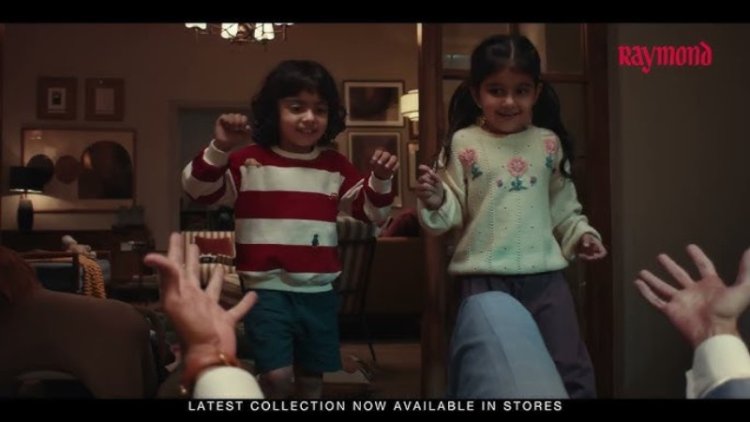
Raymond Lifestyle has launched the latest instalment of its long-running “The Complete Man” platform, continuing the brand’s effort to reinterpret masculinity for contemporary India. The new film, titled Homecoming, shifts the spotlight from achievement and status to emotional presence, positioning time and attention as the defining markers of modern success.
The campaign arrives at a moment when ideas around fatherhood and male identity are evolving rapidly. Instead of portraying the man as a distant, work-absorbed provider, the film depicts a father returning home after a long day, still tethered to work through his phone. In a quiet but deliberate moment, he chooses to disconnect and join his children at play. The narrative reframes “completeness” as knowing when to pause and prioritise family over professional urgency.
For Raymond, this is less a reinvention and more a continuation of a platform that has historically mirrored shifts in social norms. Since its inception, “The Complete Man” has leaned into empathy and emotional intelligence, distinguishing the brand within India’s menswear category. The new iteration extends that thinking into an era defined by digital distraction and shrinking attention spans.
Satyaki Ghosh, CEO of Raymond Lifestyle Ltd, said the campaign reflects a broader transformation in how masculinity is perceived in India. He noted that while the brand has long symbolised elegance and refinement, emotional intelligence is now equally central to that identity. According to Ghosh, the latest film celebrates small but meaningful gestures that define modern relationships.
The campaign has been conceptualised by Omnicom and will debut during the final 10 matches of the T20 World Cup on JioHotstar, a move designed to capture peak national attention. Beyond digital streaming, Raymond plans to extend the campaign into cinemas across more than 1,300 screens nationwide, timed alongside major theatrical releases including Toxic and Dhurandhar 2. The rollout also includes high-frequency connected TV advertising and approximately 100 outdoor sites across the country.
The scale of the media plan signals Raymond’s intent to maintain cultural visibility in a fragmented attention economy. Menswear brands increasingly compete not just on fabric and fit, but on emotional relevance. In a category where product differentiation can be subtle, storytelling often becomes the primary driver of brand distinction.
From a marketing perspective, the film reflects a wider industry shift toward “emotion-led premiumisation.” Rather than highlighting product features, the narrative uses lifestyle cues to reinforce brand positioning. Raymond’s apparel appears integrated into everyday life rather than foregrounded as spectacle, aligning with the understated tone the brand has cultivated over decades.
Saad Khan, President & Managing Partner – Growth & Strategy at Omnicom, said the campaign builds on the foundational idea that success is anchored in empathy and family care. He described it as the next step in the evolution of an iconic brand platform that adapts to changing times without abandoning its core values.
The renewed focus on fatherhood also aligns with changing consumer dynamics. Urban Indian households are seeing greater involvement of fathers in childcare and domestic responsibilities, a shift increasingly reflected in advertising narratives. By acknowledging this transition, Raymond positions itself within contemporary conversations about shared parenting and emotional availability.
For legacy brands operating in competitive apparel markets, sustained relevance often depends on updating cultural codes without losing recognisable equity. “Homecoming” appears to attempt precisely that balance, reinforcing Raymond’s established identity while adjusting its lens to reflect present-day aspirations.