Puma India Unveils ‘Go Wild’ Movement for Running Lifestyle
Puma India’s “Go Wild” campaign blends performance and lifestyle, featuring PV Sindhu and Ibrahim Ali Khan to celebrate running’s joy, diversity, and growth.
 Sandhya
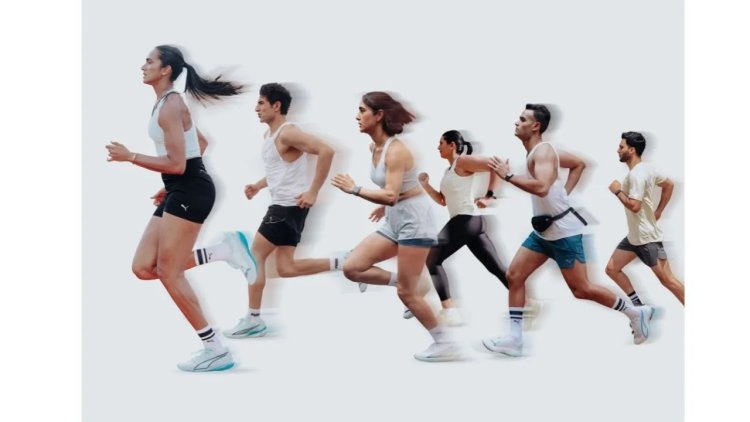
Puma India has rolled out its latest campaign, dubbed “Go Wild”, to reinforce running not just as a sport but as a lifestyle. Featuring well-known faces like Olympic medallist PV Sindhu and actor Ibrahim Ali Khan, along with runners from varied backgrounds, the campaign underlines how motion—running—can be a source of joy, self-expression, and personal growth.
What the campaign is about
The core of “Go Wild” is a 60-second film that weaves together stories of elite athletes and everyday people who run. It shows running in different settings—city streets, parks, early mornings, late evenings—underscoring that running can be woven into daily routines. The film’s soundtrack is a remix of Afroman’s classic “Because I Got High”, lending an uplifting energy that echoes the feeling of a runner’s high.
At its essence, Puma India wants to promote running as more than fitness: it’s about perseverance, balance, self-discovery, and using movement as a way to express one’s identity.
Karthik Balagopalan, Managing Director, Puma India, explains that running is one of the fastest-growing sporting activities in India. He describes “Go Wild” as a local iteration of a global vision—one that seeks to embed everyday running into Indian culture and make available the pure “Runner’s High.” He underscores Puma’s performance-first philosophy, hoping the campaign will help deepen running’s appeal across demographics.
Strategic alignment & product tie-ins
The campaign ties neatly into Puma India’s broader running ecosystem. Products under the NITRO™ range, community-led runs, race sponsorships, and athlete partnerships are all part of Puma’s strategy to anchor running more solidly in urban Indian life.
By associating with well-known athletic personalities like PV Sindhu, the campaign gains credibility. Meanwhile, everyday runners being part of the storyline makes the messaging more inclusive and relatable.
Target audience and cultural relevance
Puma is targeting a wide audience: those who treat running as a performance sport—athletes, semi-probers—and those who see it as a lifestyle activity: joggers, early morning walkers who run, people looking for stress relief, or simply those seeking a wellness ritual. The inclusion of diverse runners helps mirror India’s varied fitness habits, landscapes, and socio-economic contexts.
Given how fitness and wellness culture has been growing in India—especially in urban centers—the timing looks strategic. Running’s low barrier to entry (you only need a pair of shoes to begin), plus its health and mental wellness benefits, make it a natural anchor for brands looking to tap into lifestyle trends. Puma appears to want to ride that wave.
Potential challenges & opportunities
While the campaign is visually and conceptually strong, its success will depend on execution. Some of the things to watch:
-
Product availability and performance must match the promise—if shoes or running gear underperform, credibility could suffer.
-
Reaching beyond metros to smaller towns where running culture is less established may require localized efforts.
-
Ensuring the campaign converts awareness into community engagement—group runs, participation, maybe digital challenges—so people don’t just watch, but act.
On the opportunity side, this campaign could deepen customer loyalty, spur growth in product lines (especially performance gear), and help Puma strengthen its identity as a brand that supports both elite sport and everyday active living.
Conclusion
Puma India’s “Go Wild” is more than a marketing slogan: it’s a push to normalize running as an accessible, expressive, and joyful part of life. With star power, engaging storytelling, and a tie-in to performance products, the brand aims to shift perceptions—running isn’t just something athletes do, it’s something many can do, in many ways. If Puma can deliver on the promise—in product, community, and support—it could help make running a more integral thread in India’s wellness and lifestyle fabric.