Premium Smartphone Buyers Go Omnichannel as Online Research Drives Offline Store Purchases
Premium smartphone buyers in India are increasingly researching online and purchasing offline, highlighting the importance of omnichannel retail strategies and in-store experiences
 SociapaHQ
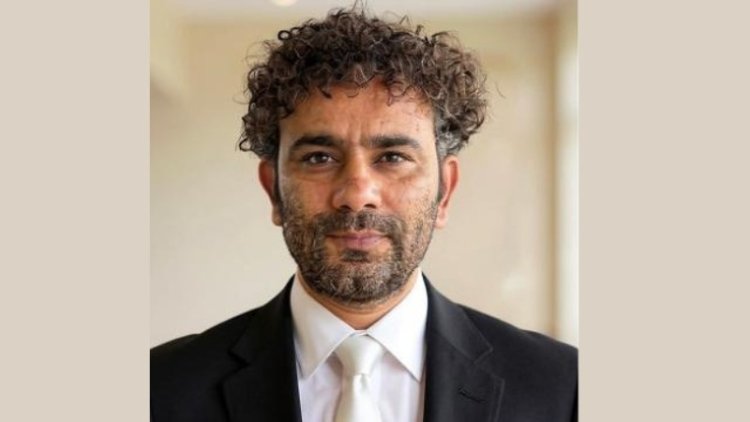
India’s retail landscape is no longer defined by a simple shift between online and offline shopping. Instead, consumers are increasingly navigating both worlds in a single purchase journey—researching online, comparing options digitally, and eventually walking into physical stores to complete the transaction. According to Vikas Nain, Marketing and Ecommerce Head at iNvent, this behaviour is particularly evident in the premium smartphone category, where high-value purchase decisions often require reassurance beyond digital interactions.
In premium smartphone purchases, the final step frequently happens in-store. Consumers may have already shortlisted models through online research, reviews and price comparisons, but physical retail remains crucial for factors such as hands-on product experience, device comparisons, assistance with data transfer and activation services, and the final calculation of affordability through exchange offers, EMI options and cashback deals.
This shift is reshaping how retail marketers approach the category. Marketing today is no longer limited to advertising campaigns or product distribution. Instead, it extends across the entire customer journey—from search results and website experiences to social proof, reviews, and in-store interactions. The effectiveness of a brand’s communication depends not just on the campaign message but also on how clearly pricing, offers and product value are presented across these touchpoints.
One of the key trends influencing this shift is the growing normalisation of premium smartphone purchases. What was once seen as an aspirational category concentrated in major metropolitan cities has gradually become a repeatable upgrade behaviour for many consumers. Buyers are increasingly planning upgrades rather than making impulsive purchases.
This is partly driven by the way affordability mechanisms have evolved. Financing options such as low-cost EMIs, exchange programmes and limited-time cashback offers have significantly lowered the barriers to premium purchases. As a result, consumers are no longer asking whether they can afford a premium device. Instead, the question has shifted to whether upgrading at a particular moment makes financial sense.
For brands, this creates a delicate balance. Premium positioning must be maintained while making the product financially accessible. Nain argues that the key lies in presenting affordability without diluting the perception of value. In this context, pricing communication becomes a marketing tool in itself. The “effective price”—after factoring in exchange value, EMI calculations and bank offers—often becomes the most important message a brand delivers.
This also changes the way campaigns are designed. Rather than relying solely on loud promotional messaging, successful campaigns in the premium segment tend to focus on clarity. Consumers navigating multiple touchpoints need straightforward explanations of how offers work and what the final cost of ownership looks like.
Another critical element of the journey is the role of physical retail stores. While e-commerce has transformed product discovery and evaluation, stores remain essential in closing the last stage of the purchase decision. Customers often visit stores to confirm their choice, compare devices side by side, and gain confidence in authenticity and after-sales support.
The expansion of premium smartphone adoption beyond major metropolitan markets further highlights the importance of retail presence. Rising awareness, easier access to financing and evolving consumption patterns are driving premiumisation across smaller cities as well.
However, Nain notes that many brands still focus disproportionately on demand generation while underinvesting in demand fulfilment. Generating interest through advertising is only one part of the equation. Ensuring that customers encounter a seamless purchase experience—both online and in physical retail environments—is equally important.
He points to Apple India as an example of a brand that has successfully addressed this challenge by nurturing its network of Apple Premium Resellers (APR). These retail partners contribute significantly to demand fulfilment by investing in store experiences, customer engagement and local marketing, helping convert interest into actual purchases.
For marketers in the smartphone industry, the takeaway is clear: the premium consumer journey is now deeply omnichannel. Success depends on aligning digital discovery, clear pricing communication, retail experience and post-purchase support into a single coherent ecosystem.
As premiumisation continues to spread across India, the brands that stand out will be those that simplify the upgrade decision while delivering a consistent experience across every stage of the purchase journey.