PETA’s Dog Milk Ad Sparks Outrage and Debate in India
PETA’s dog milk billboard shocks India, igniting debate on dairy cruelty and veganism with its bold anti-dairy campaign.
 Anureet Kaur
PETA’s Dog Milk Billboard: Controversy, Conversation, and the Cost of Shock
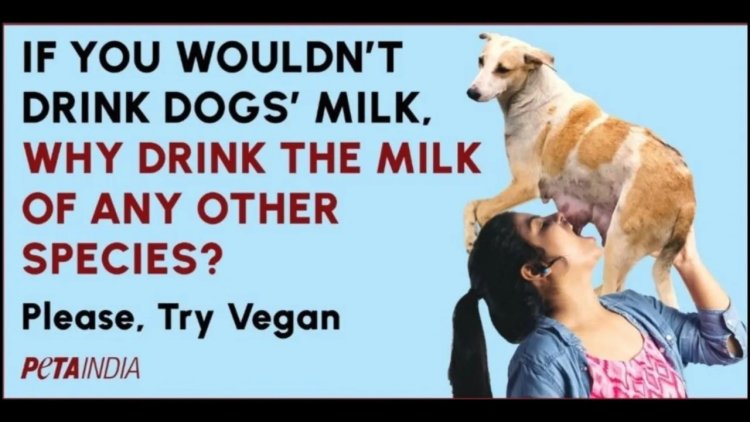
People for the Ethical Treatment of Animals (PETA) has once again grabbed headlines—and divided opinion—with its latest anti-dairy campaign in India. Launched on World Milk Day 2025, the organization’s new Out Of Home (OOH) billboard features a provocative image: a woman drinking “dog milk,” accompanied by the question, “If you wouldn’t drink dogs’ milk, why drink the milk of any other species?” The campaign, rolled out in major cities like Mumbai, Ahmedabad, Noida, and Bengaluru, has set off a storm of reactions both online and offline.
Challenging “Speciesism” With Shock Value
PETA’s stated goal is to challenge “speciesism”—the idea that some species deserve different treatment than others. The campaign argues that there is no moral difference between drinking cow’s milk and dog’s milk, and aims to make people question why consuming milk from cows and buffaloes is normalized while the idea of drinking a dog’s milk is considered repulsive.
In its press release, PETA highlighted the cruelty of dairy production, pointing to practices like forceful impregnation of cows and buffaloes, separation of calves from their mothers, and the consumption of milk meant for young animals. “There’s nothing natural about forcefully impregnating cows and buffaloes, stealing their babies, and consuming the milk meant for their young,” the organization stated.
View this post on Instagram
Public Reaction: Applause, Aversion, and Everything In Between
The campaign has sharply divided public opinion. Many social media users found the ad disturbing, with some calling it “distasteful,” “unsettling,” and “missing the mark.” Critics argue that the shock factor overwhelmed the message, and that there are better ways to promote veganism or vegetarianism without resorting to such provocative imagery. One user commented, “How do I unsee this now?” while another said, “There are plenty of alternative ways to promote vegetarianism; this is not one.”
However, the campaign also found supporters who praised its confrontational approach. Some argued that the discomfort it caused was intentional, meant to force people to confront the realities of animal agriculture and question their dietary choices. “If this disturbs you, it’s because the reality is disturbing. We’ve just normalised it… PETA is just asking us to pause and think,” said one supporter.
PETA’s History of Provocative Campaigns
This is far from the first time PETA has used shock tactics to get its message across. The organization has a long history of controversial, headline-grabbing campaigns:
- “Save the Whales: Lose the Blubber, Go Vegetarian” (2009): This campaign linked meat consumption to obesity and was accused of body shaming, eventually being pulled after public backlash.
- “Holocaust on Your Plate” (2003): Banned in several countries, this campaign compared the suffering of farm animals to Holocaust victims, sparking outrage and being widely condemned.
- “I’d Rather Go Naked Than Wear Fur” (1990): Celebrities posed nude to protest the fur industry, making the campaign iconic and controversial for nearly three decades.
- Anti-SeaWorld and Circus Campaigns: PETA has also targeted marine parks and circuses, using dramatic visuals to highlight animal captivity and suffering.
Does Shock Work?
While PETA’s campaigns are often criticized—and sometimes banned—they are rarely ignored. The dog milk billboard has succeeded in sparking widespread debate about dairy consumption, animal rights, and the ethics of advertising. Some believe the shock value is necessary to break through societal conditioning, especially in a country where milk is seen as a symbol of good parenting and is a staple in daily life.
Others worry that such tactics alienate more people than they convince, and that the message can get lost in the outrage. As one commenter put it, “This message could’ve been conveyed differently. This just misses the mark entirely”.
The Bigger Picture
Whether you find PETA’s approach effective or offensive, the campaign has undeniably forced a conversation about animal welfare, dairy ethics, and the power of advertising to shape public opinion. As India’s cities debate the meaning and merit of dog milk billboards, one thing is clear: PETA’s campaigns may be controversial, but they are never invisible.