Maggi Inspires India to Segregate Waste for a Greener Tomorrow
Maggi’s new campaign urges families to segregate waste, making recycling easy and impactful this World Environment Day.
 Anureet Kaur
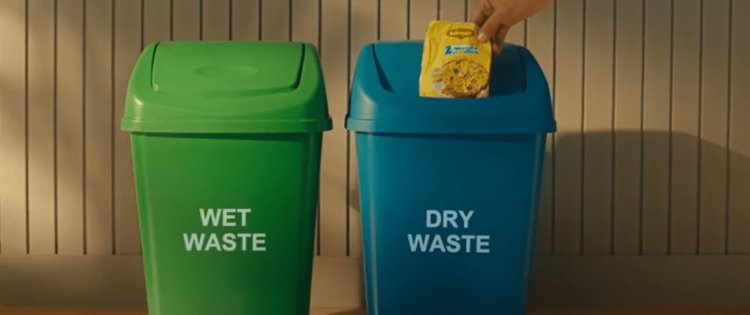
Maggi’s World Environment Day Campaign: Making Waste Segregation a Family Habit
Every Indian household knows the joy of opening a pack of Maggi noodles. But this World Environment Day, Maggi is stirring up more than just nostalgia—it’s encouraging families across India to take a small but crucial step for the planet: waste segregation.
Turning the Spotlight on Everyday Waste
India produces over 62 million tonnes of waste every year, with much of it ending up in landfills because it isn’t sorted at the source. The biggest challenge? Most people don’t separate their dry and wet waste at home, making recycling nearly impossible. Maggi’s latest campaign addresses this issue head-on, showing that change begins in our kitchens.
The Heart of the Campaign: Simple Steps, Big Impact
Maggi’s new film, released for World Environment Day 2025, features everyday families enjoying their favorite noodles. But instead of focusing only on taste, the ad highlights an important message—after enjoying Maggi, don’t just throw away the wrapper. Instead, put it in the dry waste bin, separate from food scraps and wet waste.
The film uses relatable situations and easy-to-understand language to show how simple it is to start segregating waste at home. Whether it’s a child learning from a parent or a family making it a daily habit, the campaign makes waste segregation seem less like a chore and more like an act of care for future generations.
Why Waste Segregation Matters
When households separate dry and wet waste, recycling companies can collect and process materials like plastic, paper, and metal more efficiently. This reduces the amount of garbage that ends up in landfills, lowers pollution, and conserves valuable resources. For brands like Maggi, it’s also a way to take responsibility for the packaging they put into the world.
Nestlé India, the company behind Maggi, has been working on sustainability for years. They’ve already made strides in reducing plastic use and increasing recyclable packaging. This campaign is the next step—empowering consumers to play their part in the recycling process.
Community Involvement and Lasting Change
Maggi’s campaign is not just about spreading a message; it’s about building a movement. The brand is working with local waste management organizations and schools to educate families and children about the importance of segregation. Social media challenges, community clean-up events, and educational workshops are all part of the plan to make waste segregation a regular habit in Indian homes.
Making Sustainability Fun and Accessible
One of the campaign’s strengths is its positive, non-judgmental tone. Instead of blaming or shaming, Maggi invites everyone to join in, making sustainability feel easy and even enjoyable. The familiar yellow Maggi pack becomes a symbol—not just of comfort food, but of a cleaner, greener India.
The Bigger Picture: Corporate Responsibility
With this campaign, Maggi joins a growing list of brands using their influence to drive social and environmental change. As more companies step up, consumers are reminded that every small action—like sorting your waste—can add up to a big difference.
Maggi’s World Environment Day campaign is just the beginning. The brand plans to continue its efforts throughout the year, with more educational content, partnerships, and on-ground activities. The goal is clear: make waste segregation a habit in every Indian home, one Maggi meal at a time.