Kalyan Jewellers celebrates Poila Boishakh with stories of timeless heritage
Kalyan Jewellers launches Poila Boishakh campaign celebrating Bengali culture, blending nostalgia, craftsmanship, and tradition while showcasing jewellery as a symbol of legacy and emotional connection.
 Anupriya
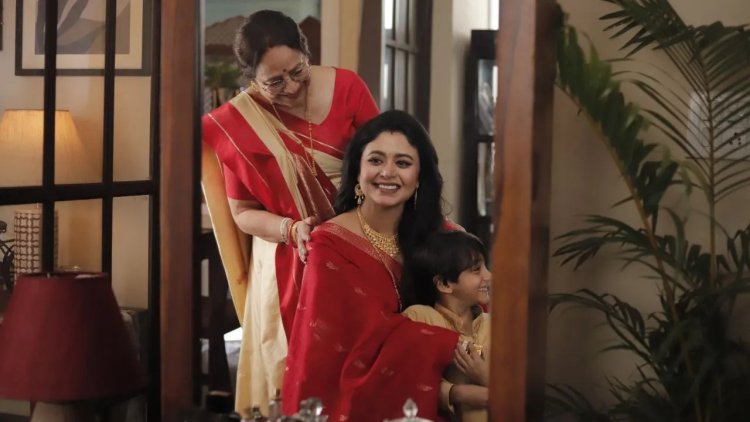
As the Bengali New Year arrives, bringing with it a sense of renewal and nostalgia, Kalyan Jewellers has unveiled a Poila Boishakh campaign that leans into emotion rather than extravagance. Instead of focusing purely on festive buying, the brand shifts attention to something deeper, the stories that jewellery carries across generations.
At the heart of the campaign lies a simple thought. Jewellery is not just worn. It is remembered.
The film features a slice of everyday Bengali life, capturing moments that feel warm, familiar, and quietly meaningful. It does not rely on dramatic storytelling or high-gloss visuals. Instead, it draws viewers in through subtle details, small interactions, and a sense of cultural authenticity.
One of the key elements in the narrative is a traditional palm leaf toy, which appears early in the film. While it may seem like a simple prop, it plays an important role. It represents heritage, craftsmanship, and the kind of artistry that has been passed down through generations.
This idea flows seamlessly into the portrayal of jewellery.
As the story unfolds, a piece of gold jewellery becomes central to the narrative, symbolizing continuity and emotional connection within a family. It is not presented as a product to be purchased, but as something that carries memories, traditions, and personal meaning.
That is where the campaign strikes a chord.
In many Indian households, jewellery holds significance far beyond its material value. It is often tied to milestones, celebrations, and relationships. Kalyan Jewellers taps into this cultural truth, positioning its offerings as part of a larger emotional journey rather than just a transaction.
The choice of Poila Boishakh as the setting adds another layer of relevance.
The festival marks the beginning of a new year in Bengal and is associated with fresh starts, prosperity, and togetherness. It is also a time when buying gold is considered auspicious. By aligning the campaign with this occasion, the brand connects its narrative to a moment that already holds meaning for its audience.
At the same time, the campaign reflects how modern consumers engage with tradition.
While there is a strong sense of nostalgia, the storytelling does not feel outdated. Instead, it blends traditional elements with a contemporary perspective, making it relatable for both older and younger audiences. This balance helps the brand stay rooted while still feeling current.
From a design standpoint, the jewellery showcased in the campaign follows a similar approach.
The pieces draw inspiration from traditional Bengali craftsmanship, featuring intricate detailing and classic aesthetics. At the same time, they are styled in a way that fits modern sensibilities, ensuring they appeal to today’s consumers.
This duality is central to the campaign’s message.
It celebrates the past while embracing the present, highlighting how traditions can evolve without losing their essence. In doing so, it mirrors the way many families experience festivals today, holding onto rituals while adapting to changing lifestyles.
The campaign also reflects a broader shift in advertising.
Instead of pushing products aggressively, brands are increasingly focusing on storytelling that feels genuine and emotionally resonant. Audiences are more likely to engage with narratives that reflect their own experiences, and Kalyan Jewellers uses this insight effectively.
By keeping the storytelling simple and relatable, the brand allows viewers to connect with the message in a personal way.
There is no overstatement, no forced messaging. The emotions come through naturally, making the campaign feel more like a reflection of real life than a crafted advertisement.
From a brand perspective, this approach reinforces Kalyan Jewellers’ identity.
The company has long been associated with trust, heritage, and craftsmanship. This campaign brings those elements together, strengthening its position in a highly competitive market. It reminds consumers that the brand is not just about design, but about the meaning behind it.
What stands out most is the restraint.
In a landscape filled with loud and flashy campaigns, this one takes a quieter route. It trusts the story to carry the message, and that confidence works in its favor.
In the end, the campaign is not just about celebrating Poila Boishakh.
It is about celebrating the moments that define us, the traditions we carry forward, and the memories we create along the way.
Because sometimes, what we truly value is not just what we own, but what it represents.