Deepfake Ad Featuring Musk, Altman and Bezos Sparks AI Debate Online
A viral deepfake ad imagining Elon Musk, Sam Altman and Jeff Bezos launching a fictional AI-powered “Energym” has sparked debate on AI jobs and energy use.
 SociapaHQ
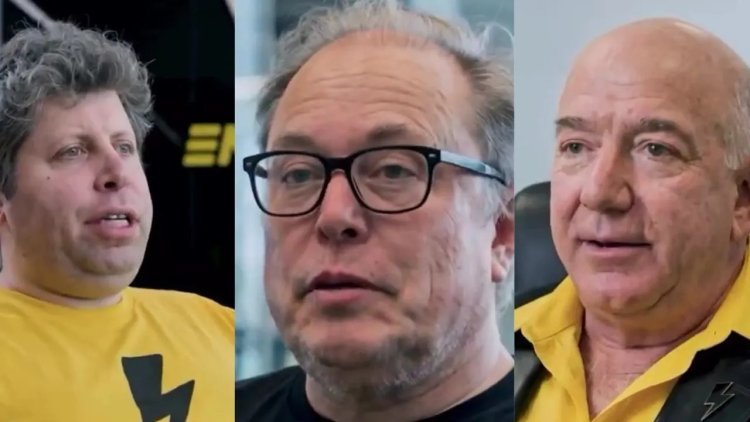
A satirical deepfake advertisement imagining aged versions of Elon Musk, Sam Altman and Jeff Bezos has gone viral across social media, drawing millions of views and prompting discussion within technology and advertising circles.
View this post on Instagram
The 40-second film, titled Energym, was created by Belgian AI startup AiCandy. Presented as a mock corporate advertisement set in 2036, the video imagines a near future in which artificial intelligence and robotics have replaced 80% of global jobs following a fictional stock market crash in 2026. In the storyline, the three tech leaders respond by launching a company called “Energym,” which recruits unemployed humans to generate electricity for AI systems through gym workouts such as cycling and rowing.
The film blends satire with two widely discussed concerns around AI: rising electricity consumption and fears of job displacement. Data centres powering AI models require significant energy resources, while industry reports — including projections from Goldman Sachs — have warned of potential workforce disruptions as automation expands. By linking these themes, the video positions humans as literal power sources for the very systems that replaced them.
Visually, the production mimics a polished corporate campaign, complete with keynote-style messaging and realistic deepfake renderings of Musk, Altman and Bezos. The likenesses are not real endorsements but AI-generated simulations, a factor that has amplified debate around synthetic media and its ethical boundaries.
Online viewers have compared the concept to episodes of Black Mirror, the Netflix series known for dystopian takes on technology and society. The resemblance lies in the exaggerated yet plausible premise: a world where efficiency and innovation outpace social safeguards.
AiCandy, founded in 2025 by Jan De Loore and Hans Buyse in Belgium, describes itself as a creative video agency that combines human storytelling with AI tools to produce brand campaigns. While the company positions the film as satire, its viral traction highlights how synthetic media is increasingly capable of blurring the line between commentary and realism.
For advertisers, the video demonstrates the production quality now achievable with AI-driven tools. Deepfake technology, once limited to experimental or fringe use, is rapidly entering mainstream creative workflows. However, it also raises questions about consent, likeness rights and misinformation. Even when used satirically, realistic portrayals of public figures can spark confusion or reputational risk if not clearly framed.
For the tech industry, the mockumentary underscores a broader cultural moment. As AI systems grow more capable and resource-intensive, public discourse is shifting from fascination to scrutiny — around energy consumption, labour economics and governance. Content like Energym taps into that tension, using humour to surface anxieties that are already part of policy and boardroom conversations.
The video’s popularity suggests that audiences are receptive to storytelling that interrogates the AI boom rather than simply celebrating it. At the same time, it signals how AI-generated content can itself become a marketing tool, attracting visibility not just for a concept but for the startup behind it.
As synthetic media tools become more accessible, similar experiments are likely to emerge. The challenge for brands and creators will be balancing creative freedom with transparency and ethical clarity in a landscape where digital realism is increasingly indistinguishable from reality.