Maruti Suzuki Commits Rs 1,372 Crore To Green Logistics Infrastructure
Maruti Suzuki commits Rs 1,372 crore towards green logistics infrastructure as rail dispatches cross 30 lakh vehicles.
 SociapaHQ
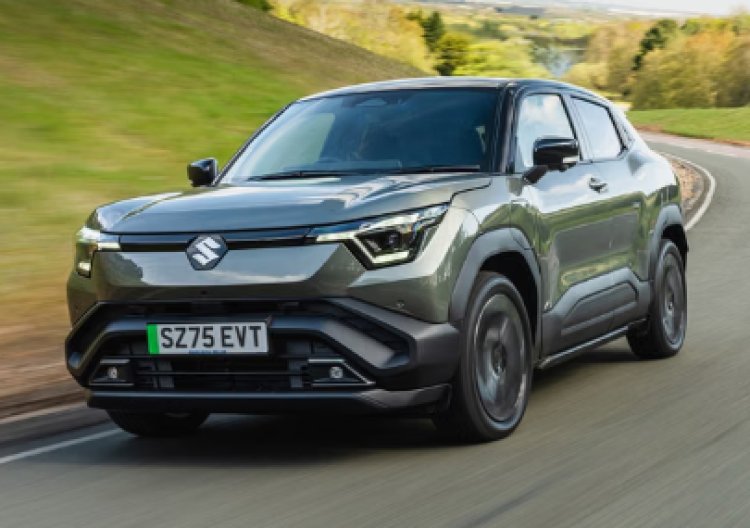
Maruti Suzuki India has committed Rs 1,372 crore towards dedicated green logistics infrastructure as the company looks to expand the share of rail-based vehicle dispatches in its distribution network.
The automaker announced that it has crossed 30 lakh cumulative vehicle dispatches through the railway network, marking a key milestone in its outbound logistics operations, PTI reported.
According to the company, rail logistics currently account for 26.5% of its total vehicle dispatches. Maruti Suzuki said it aims to increase this share to 35% by 2030-31 as part of its broader green logistics strategy.
Also Read: Maruti Suzuki Posts Record ₹1.74 Lakh Crore Revenue in FY26, Export Surge Drives Growth
Rail Dispatches Drive Green Push:
Speaking on the development, Hisashi Takeuchi said, “Since 2014, our rail-based vehicle dispatches have increased ninefold in volume, now contributing 26.5 per cent of the company's total vehicle dispatches.”
He added that the company has committed more than Rs 1,372 crore towards developing dedicated green logistics infrastructure to support this transition.
The company’s increasing reliance on rail transportation reflects its focus on expanding alternative logistics systems for vehicle dispatches. By scaling rail-based movement, Maruti Suzuki is working towards strengthening its logistics network while increasing the contribution of green transportation infrastructure within its operations.
Also Read: Sidharth Malhotra Becomes Maruti Suzuki DZire's New Brand Ambassador
The announcement also highlights the growing role of railways in India’s automotive supply and distribution ecosystem, particularly as manufacturers look for larger-scale logistics solutions to support nationwide vehicle movement.
Maruti Suzuki’s target of raising rail dispatch contribution to 35% by 2030-31 signals a long-term shift in how the company plans to manage outbound logistics for its vehicle distribution network.