How Deepinder Goyal Proved That Culture Trumps Cash on New Year
Zomato CEO Deepinder Goyal reveals why festive delivery success relies on operational culture and rider community spirit rather than just offering high financial incentives.
 Sandhya
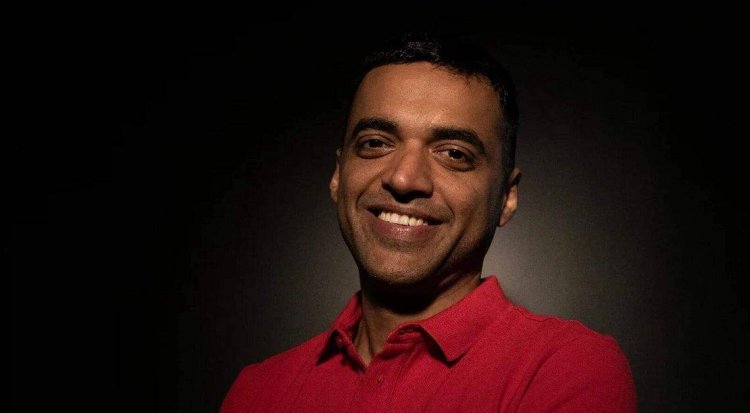
Zomato’s NYE Strategy: Why Cold Hard Cash Wasn’t the Secret Sauce
Every New Year’s Eve, the air is thick with the scent of overpriced perfume, optimism, and millions of Indians ordering butter chicken at exactly the same time. For food delivery giants, December 31st is the ultimate boss level. While the rest of us are busy failing to hit the high notes in "Auld Lang Syne," Zomato is trying to ensure that your Biryani doesn't end up in a ditch. Recently, a debate sparked over whether massive financial incentives were the only thing keeping the delivery fleet on the road. Zomato CEO Deepinder Goyal, however, has stepped into the ring to deliver a reality check: it wasn’t just about the money.
The Myth of the Mercenary Rider
There is a common narrative that delivery partners are purely transactional creatures, motivated only by the lure of "surge pay" and festive bonuses. If you pay them, they will come. If you don't, your pizza stays at the parlor. While Goyal didn’t dismiss the importance of fair compensation, he pushed back against the idea that incentives were the sole savior of the night.
According to the CEO, the success of Zomato’s massive New Year’s Eve operation was rooted in something much less "Wall Street" and much more "Main Street": culture, belonging, and a sense of shared mission. It turns out that when you treat your fleet like a vital part of a grand machine rather than just a line item on a spreadsheet, they actually show up. Who knew?
Cracking the Operational Code
Running a delivery platform on New Year’s Eve is like trying to direct traffic in the middle of a riot where everyone is hungry. The sheer volume of orders is staggering. Goyal pointed out that relying solely on incentives is a fragile strategy. If the only reason a rider is out in the cold is a few extra rupees, the moment the weather turns or the traffic gets too gnarly, they’ll log off.
Instead, Zomato focused on operational readiness and emotional buy-in. The company spent months prepping for the countdown, ensuring that the technology wouldn't crash and that the support systems for riders were robust. It wasn’t a last-minute scramble to throw money at a problem; it was a year-long marathon of building a platform that people actually wanted to work for, even when the rest of the world was partying.
A Bit of Heart in the Algorithm
Goyal’s comments suggest a shift in how we view the gig economy. For a long time, the relationship has been seen as cold and algorithmic. But on a night where millions of families are celebrating, there is a certain "human" element that tech often overlooks. The delivery partners aren't just moving boxes; they are delivering the centerpiece of someone’s celebration.
By acknowledging that incentives weren't the "hero" of the night, Goyal is subtly highlighting the pride of the workforce. There’s a certain swagger in being the person who keeps the city fed while the clock strikes midnight. Zomato’s leadership seems to be betting on the fact that respect and a functional ecosystem provide better long-term results than a temporary cash injection.
The Takeaway for the Rest of Us
As the dust settles on another record-breaking year for food delivery, the lesson is clear: money talks, but it doesn't always have the last word. In an era where "quiet quitting" and "gig fatigue" are the buzzwords of the day, Zomato is trying to prove that you can scale a business without losing its soul.
So, the next time you’re tracking your order while the fireworks go off, remember that it took more than a bonus to get that delivery to your door. It took a massive web of logistics, a CEO who prefers culture over quick fixes, and a delivery partner who chose to show up for the mission. And maybe, just maybe, a little bit of that New Year’s magic. But mostly, it was just really good planning.