Duroflex Taps Virat Kohli to Shift Mattress Talk From Comfort to Recovery
Duroflex launches its Airboost mattress range with Virat Kohli, reframing sleep from comfort to overnight recovery. The campaign reflects growing consumer focus on performance, stress and measurable rest.
 Sandhya
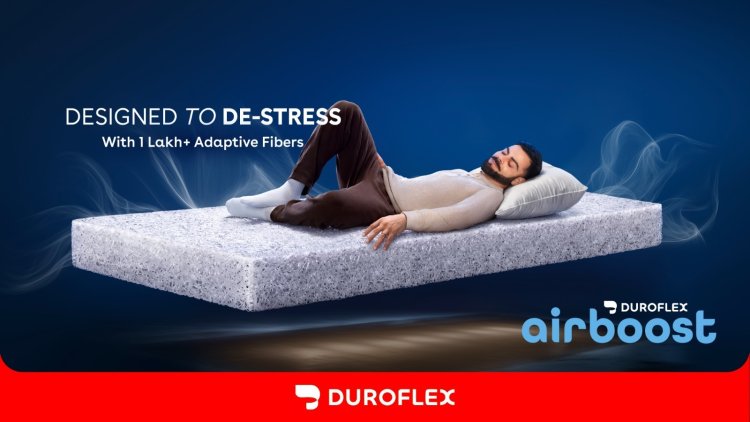
Duroflex has unveiled a new brand campaign introducing Airboost, a mattress range positioned around recovery rather than simple comfort. Fronted by Virat Kohli, the film arrives at a moment when sleep is increasingly discussed in the language of performance, mental wellness and stress management.
The television and digital rollout builds on Duroflex’s long-running “Designed to De-Stress” platform, but reframes what that promise means in practical terms. Instead of portraying sleep as a soft, indulgent break from routine, the campaign presents it as an active contributor to how the body and mind function the next day.
The narrative draws a parallel between elite athletic demands and the fatigue of modern life. While Kohli represents high performance at the extreme, the communication suggests that long commutes, extended screen exposure and always-on work cultures create similar pressure points for everyday consumers. The underlying argument is that recovery is no longer optional; it is necessary.
Visually, the film avoids heavy product demonstrations. Movement, airflow and uninterrupted rest become metaphors for how the mattress is expected to function overnight. By focusing on how people feel when they wake up rather than what the mattress contains, Duroflex shifts attention from specifications toward lived experience.
That approach reflects a broader change in how home and lifestyle brands are communicating. Consumers are becoming more familiar with wellness terminology — recovery, regulation, reset — and companies are increasingly aligning everyday products with those outcomes. Mattresses, once marketed primarily on softness or durability, are now entering conversations usually reserved for fitness and healthcare.
Airboost is introduced as a material solution to that shift. The company says the range is designed to adapt to changing body positions, release heat efficiently and minimise disturbances that interrupt deep rest. In doing so, it attempts to match evolving expectations from buyers who track sleep scores, follow recovery routines and link rest to productivity.
For marketers, the use of Kohli reinforces the seriousness of that message. Athletes have become cultural shorthand for discipline and optimisation, making them powerful bridges between aspiration and routine behaviour. Rather than acting as a distant celebrity, Kohli’s presence frames recovery as something measurable and repeatable.
The decision also highlights how endorsements are being retooled. Instead of glamour or star power alone, brands are leaning on credibility tied to performance and resilience. In categories connected to health, that association can carry more persuasive weight.
The campaign further signals the continued blending of sport, wellness and everyday consumption. As audiences adopt language borrowed from training culture, brands are responding by promising tools that fit into those narratives. Sleep, in this framing, becomes infrastructure for achievement.
For Duroflex, the opportunity lies in elevating mattresses from background household items to active partners in well-being. Whether consumers accept that framing will depend on how convincingly the experience matches the promise. But the communication indicates where the category is headed: toward outcomes, not just features.