ChatGPT Atlas AI Browser Risks Inflating Ad Budgets by Mimicking Real Clicks
OpenAI’s ChatGPT Atlas mimics human browsing and clicks, posing risks of inflated ad spend and distorted website analytics, creating urgent challenges for marketers to distinguish AI traffic from real users.
 Sandhya
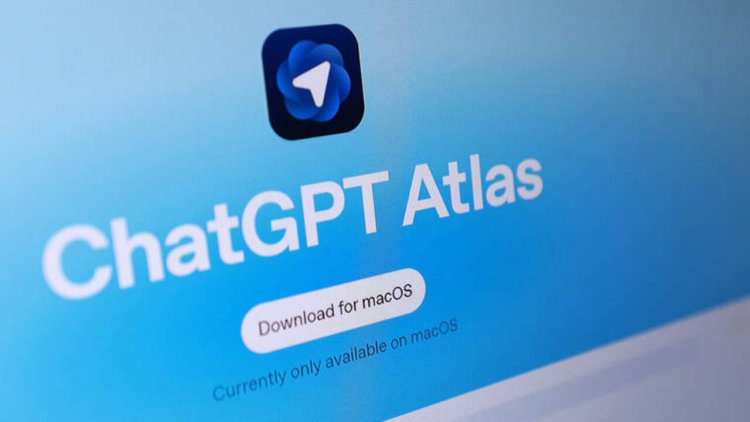
OpenAI recently launched ChatGPT Atlas, a new AI-powered browser built on Google Chrome, capable of interacting with websites so naturally that it’s nearly indistinguishable from human users. While this breakthrough enhances AI usability, it raises a stark warning for digital advertisers: ChatGPT Atlas can click paid ads just like a real visitor- potentially inflating ad costs and corrupting analytics data.
Why This Matters
For businesses investing heavily in digital advertising, paying for every click is standard- but when an AI agent generates clicks, companies risk wasting ad budget on non-human traffic. This phenomenon complicates accurate measurement, ROI calculation, and campaign optimization because platforms currently treat AI browser activity as genuine user engagement.
Analytics distortions from AI-driven traffic make it harder for marketers to discern real user behavior and campaign effectiveness, hampering data-driven decisions.
How ChatGPT Atlas Mimics Humans
Built on the familiar Google Chrome platform, ChatGPT Atlas behaves like any ordinary web browser. Ad servers, analytics tools, and websites cannot differentiate AI-driven clicks from authentic human interactions. Whether clicking on sponsored content or navigating multiple pages, the AI’s behavior triggers ad impressions and clicks with the same legitimacy as a real user, automatically charging advertisers.
Industry Concerns and Responses
Manick Bhan, founder of software company Search Atlas, has sounded the alarm, emphasizing the urgency for platforms such as Google and Meta to innovate faster. He predicts the rise of AI agents operating behind the scenes will necessitate the creation of new standards and verification techniques to separate bot-like behavior from actual human traffic- a vital step to protect advertisers’ budgets and ensure data accuracy.
Challenges with Current Detection Methods
Existing bot detection technologies rely on identifying anomalous patterns, IP addresses, or non-human browsing characteristics. However, AI agents like ChatGPT Atlas, which replicate normal user behavior, evade these controls with ease, making conventional bot filters ineffective.
This detection gap means advertisers and publishers face an unseen and untracked source of invalid traffic, complicating the already complex landscape of ad fraud and traffic quality.
What Marketers Can Do Now
In the short term, awareness is critical. Marketers should:
Monitor for unexpected spikes in clicks or suspicious traffic patterns.
Use multi-layered analytics tools combining behavioral and contextual signals to flag possible AI-driven traffic.
Work closely with ad platforms and demand partners to stay updated on detection measures and reporting enhancements.
The Road Ahead: Innovation and Opportunity
While this new AI capability introduces risks, it also points to emerging opportunities. Developing reliable solutions to distinguish humans from AI agents will become a high priority for ad tech companies, potentially leading to innovative standards and new measurement approaches.
Brands that proactively invest in AI traffic verification and engage with evolving industry efforts will better protect their ad spend and maintain trust in their digital marketing investments.
Final Thought
ChatGPT Atlas exemplifies cutting-edge AI progress but simultaneously challenges the fundamentals of digital advertising accuracy. As AI browsers grow more sophisticated, the imperative to innovate in ad fraud detection and analytics integrity has never been greater. Marketers must prepare for a future where distinguishing humans from AI interaction is essential for campaign success.