Ashish Chanchlani’s ‘Ekaki’ Tops IMDb’s Popular Indian TV Shows List With 8.2 Rating
Ashish Chanchlani’s YouTube web series Ekaki tops IMDb’s Top 100 Popular Indian TV Shows list with an 8.2 rating. The milestone highlights how creator-led content can compete with OTT releases through organic audience traction.
 SociapaHQ
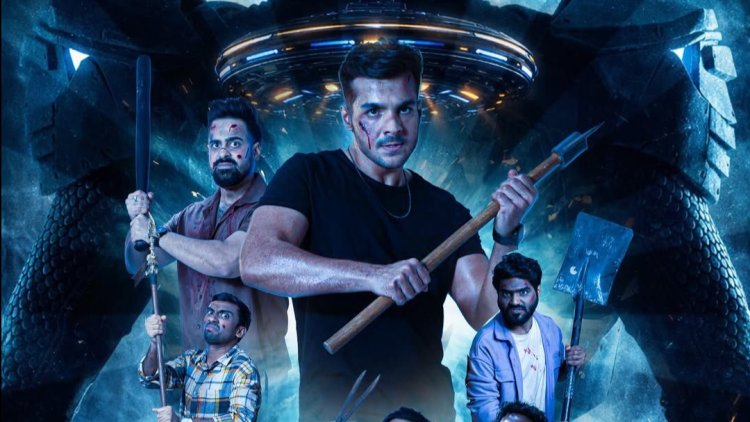
Creator and digital entertainer Ashish Chanchlani has achieved a significant milestone with his web series Ekaki, which has climbed to the number one position on IMDb’s Top 100 Popular Indian TV Shows list. The series currently holds an 8.2 user rating, reflecting strong audience response since its release.
The development marks an important moment for Chanchlani, who played multiple roles in the project as writer, director, producer and actor. Known primarily for his large YouTube following and sketch comedy videos, the creator used Ekaki to move into longer-form storytelling while retaining his digital-first distribution strategy.
Unlike most titles that appear on IMDb’s popularity charts, Ekaki was released directly on YouTube rather than through a subscription-based streaming service. The series has gradually gained traction through viewer engagement, online discussions and organic reach across social media platforms. Its rise to the top of IMDb’s popularity rankings signals that audience-driven momentum can still push creator-led content into mainstream visibility.
The team behind Ekaki acknowledged the milestone through a social media message, describing the achievement as the result of collaboration between the creators, cast, crew and viewers who supported the show.
“Ekaki is currently #1 on IMDb’s Top 100 Popular Indian TV Shows! Grateful would be the right word right now,” the statement read, noting that the project grew from a simple concept into a larger production through the contributions of multiple collaborators and strong audience backing.
The ranking is particularly noteworthy given the competitive environment of India’s streaming industry. Most titles that dominate discovery and popularity charts typically originate from large OTT platforms with extensive marketing budgets and promotional ecosystems. By contrast, Ekaki relied primarily on YouTube distribution and organic viewer traction, without the structured release strategies associated with major streaming platforms.
For the broader creator economy, the success of Ekaki highlights how digital-first creators are increasingly experimenting with long-form storytelling formats while still leveraging open platforms. YouTube creators traditionally built audiences through short sketches and episodic content, but projects like Ekaki show that creators with large communities can translate that audience loyalty into more ambitious narrative formats.
From a media and marketing perspective, the show’s performance also underscores the growing influence of creator-led intellectual property. As audiences spend more time engaging with creators rather than traditional studios, independent digital productions are beginning to compete with professionally backed streaming titles in terms of visibility and discussion.
For brands and media platforms, this shift signals an evolving entertainment ecosystem where audience communities and creator trust can drive reach as effectively as platform-led promotion. It also demonstrates how YouTube continues to function not only as a short-form content hub but increasingly as a distribution channel for larger storytelling formats.
With its 8.2 rating and the top position on IMDb’s popular shows list, Ekaki has quickly become one of the most talked-about digital series emerging from India’s YouTube creator ecosystem. The project represents a notable step for Chanchlani as he expands beyond sketch content into larger narrative productions while maintaining the creator-first distribution model that built his audience.