Apple’s Liquid Glass Interface Faces Backlash for Lack of Originality
Apple’s new Liquid Glass design is drawing criticism for its similarity to older interfaces and concerns over usability and AI innovation.
 Anureet Kaur
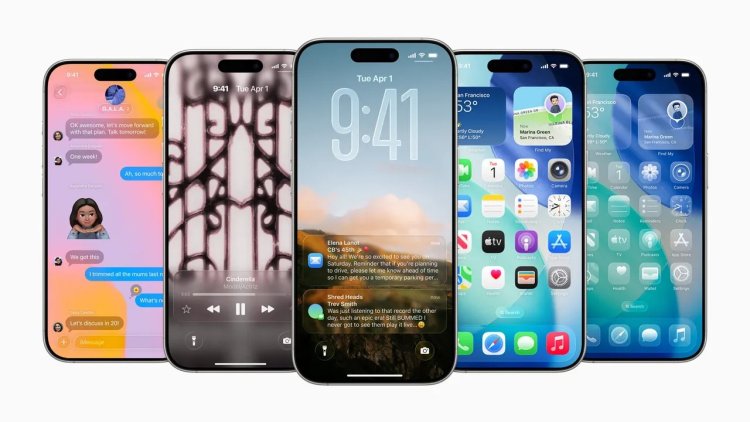
Apple’s latest design overhaul, the “Liquid Glass” interface, is making waves—but not for the reasons the tech giant hoped. Unveiled at the annual Worldwide Developers Conference (WWDC), the new look is being rolled out across all major Apple platforms, including iOS 26, macOS, iPadOS, watchOS and VisionOS. While Apple is promoting Liquid Glass as a bold step forward, fans and critics alike are calling it unoriginal and raising questions about its practicality in everyday use.
What Is Liquid Glass?
The Liquid Glass interface introduces translucent panels, layered blur effects and a sense of fluid depth inspired by Apple’s Vision Pro spatial design. Apple’s demo videos showcase these features as a modern, immersive way to interact with devices, promising a visually rich experience that feels both futuristic and elegant.
Familiar—Maybe Too Familiar
However, the design has drawn immediate comparisons to Microsoft’s Windows Vista “Aero” interface from nearly two decades ago. Social media users have been quick to point out the similarities, with many saying the new design feels “dated” instead of innovative. One user commented, “Not gonna lie, not really liking Apple’s ‘Liquid Glass’ design language in the 26 OSes. It already feels dated in its look and has strong Windows Vista and Windows 7 vibes."
This sentiment is echoed across online communities with memes and satirical posts poking fun at Apple’s attempt to repackage an old idea as something new. The phrase “Liquid Glass saga” has even started trending, highlighting the disconnect between Apple’s design ambitions and what users actually want.
User Experience Concerns
Beyond questions of originality, many users and tech reviewers are worried about the interface’s usability. Marques Brownlee (MKBHD), a prominent technology reviewer, tweeted that he was “a bit concerned with readability.” Others have raised practical concerns about notification visibility and overall text legibility, especially with the heavy use of translucent backgrounds.
One viral post summed up the issue: “Does anyone know how I’m supposed to read my notifications with this new ‘Liquid Glass’ design?” This highlights a growing frustration that Apple’s focus on aesthetics may be coming at the expense of everyday functionality.
AI Ambitions Fall Flat
The Liquid Glass debate comes at a time when Apple is also facing criticism for its slow progress in artificial intelligence. While competitors like Google and Samsung are making headlines with advanced AI features, Apple’s “Apple Intelligence” rollout has failed to impress. Many promised AI capabilities, especially those promoted with the iPhone 16 series, have yet to materialize, leaving consumers underwhelmed.
Adding to the controversy, Apple recently published a research paper describing large language models as “pattern-matching machines” rather than true reasoning engines. This stance has fueled skepticism about Apple’s commitment to leading in AI innovation.
What Else Was Announced?
Despite the backlash, Apple did introduce several new features that have been well-received. Real-time language translation is now available across Messages, FaceTime, and phone calls—addressing a long-standing gap in Apple’s communication tools. The Photos app has a refreshed layout, and Messages now supports polls, custom conversation backgrounds, and Apple Cash in group chats.
The Bigger Picture
For many, the Liquid Glass saga is a sign that Apple may be prioritizing visual flair over genuine innovation. Critics argue that the company is “wasting so many developers’ entire careers on rendering beautiful glassmorphic squircles and not enough on rethinking all of human computer interaction in the context of AI.”
As Apple continues to push its new design language, it faces the challenge of convincing users that Liquid Glass is more than just a nostalgic throwback. With AI innovation lagging and usability concerns mounting, the company’s next steps will be closely watched by fans and industry observers alike.