Rapido’s Food Delivery Launch: A Jio Moment for India?
Rapido’s Ownly app challenges Zomato-Swiggy with low fees, promising cheaper food delivery and a fairer model for restaurants.
 Anureet Kaur
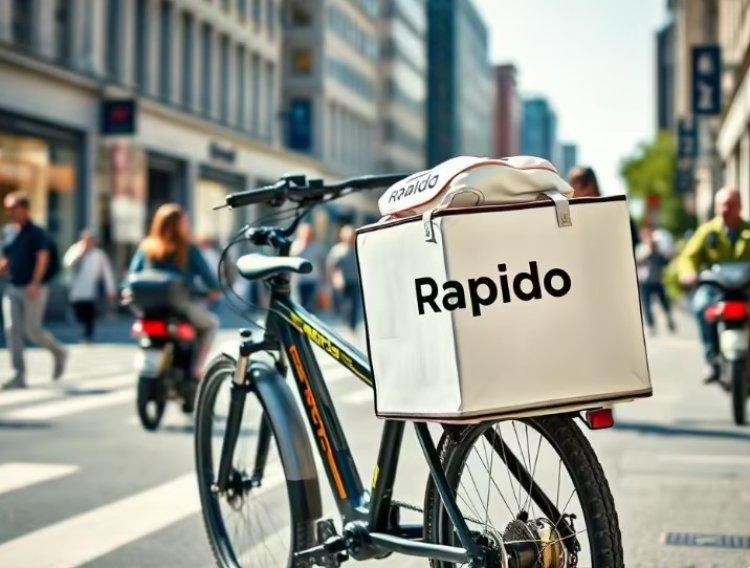
India’s food delivery market, long dominated by Zomato and Swiggy, is on the brink of disruption. Rapido, best known for its bike taxi service, is launching its new food delivery app, Ownly, in Bengaluru. Industry watchers are calling this move the potential “Jio moment” for the food delivery sector—a reference to how Reliance Jio’s entry transformed India’s telecom landscape by slashing prices and breaking monopolies.
What Makes Rapido’s Entry Different?
Unlike the existing giants, Rapido is shaking up the game with a radically different pricing model:
- Flat Delivery Fees: Restaurants pay ₹25 per order below ₹400, and ₹50 for higher orders—no matter the restaurant or the dish.
- Zero or Low Commission: Instead of the 16–30% commission charged by Zomato and Swiggy, Rapido’s commissions are expected to range from 0–15%.
- No Hidden Charges: Menu prices will be the same as dine-in, with no inflated packaging or platform fees.
- Restaurant-Friendly Model: Rapido is partnering with the National Restaurant Association of India (NRAI), which represents over 50,000 eateries, to ensure a fairer, more sustainable system.
Why Are Restaurants and Customers Excited?
For years, restaurants have complained about the high commissions, costly ads, and lack of control on Zomato and Swiggy. Many have even exited these platforms, citing unsustainable margins. Rapido’s model could halve the total platform fees for small and independent restaurants, giving them a much-needed lifeline.
For customers, the impact is immediate: cheaper food delivery. For example, a meal that costs ₹350 at a restaurant often jumps to ₹500 online due to commissions and fees. With Rapido, the same order could cost just ₹375, saving consumers about 20% on each bill. In a time when many young Indians are cost-conscious, this is a game changer.
Rapido’s Strengths: Can It Succeed Where Others Failed?
Rapido isn’t the first to challenge the Zomato-Swiggy duopoly. Uber Eats, Amazon Food, and Food Panda all tried—and failed—to crack this tough market. But Rapido brings some unique advantages:
- Existing Logistics Network: With over 4 million scooter riders nationwide, Rapido can quickly scale its delivery operations.
- Strong Funding: Backed by Prosus, WestBridge Capital, and Nexus Venture Partners, Rapido has raised over $230 million to fuel its expansion.
- No Need for Ecosystem Education: Consumers, restaurants, and delivery partners already understand how food delivery apps work, thanks to Zomato and Swiggy paving the way.
Challenges Ahead
Despite the excitement, food delivery remains a tough business:
- Thin Margins: Many well-funded players have exited due to high operational costs and complex logistics.
- Slowing Growth: Zomato and Swiggy’s food delivery businesses are growing slowly, with some consumers shifting to home-cooked meals or quick commerce platforms.
- Customer Experience: Rapido must deliver a seamless end-to-end experience to win over users who are used to the speed and reliability of incumbents.
The Roadmap: Pilot in Bengaluru, National Expansion Next
Rapido’s Ownly app will first launch in Bengaluru’s Koramangala, HSR Layout, and Sarjapur areas, with plans to expand to 10 cities by July 2026. The company is working closely with restaurants to ensure pricing parity and data transparency, something the industry has long demanded.
Industry Impact: A True Disruptor?
If Rapido executes well, experts believe Zomato and Swiggy could face a valuation cut of up to 20%. For the first time in years, restaurants and consumers have a real alternative. As NRAI president Sagar Daryani puts it, the industry is “hungry for change”.
Rapido’s entry into food delivery could mark a turning point for the industry. By putting affordability and fairness at the center, it’s poised to shake up the status quo—just as Jio did in telecom. Whether it can overcome the sector’s notorious challenges remains to be seen, but for now, both restaurants and customers are watching—and hoping—for a fresh start.