Men Disenchanted With Ads’ Outdated Masculinity Portrayals
Kantar report finds Indian men feel misrepresented in ads; brands urged to portray authentic, evolving masculinity.
 Anureet Kaur
Indian Men Seek Realism: Kantar Unveils Advertising Gap on Masculinity
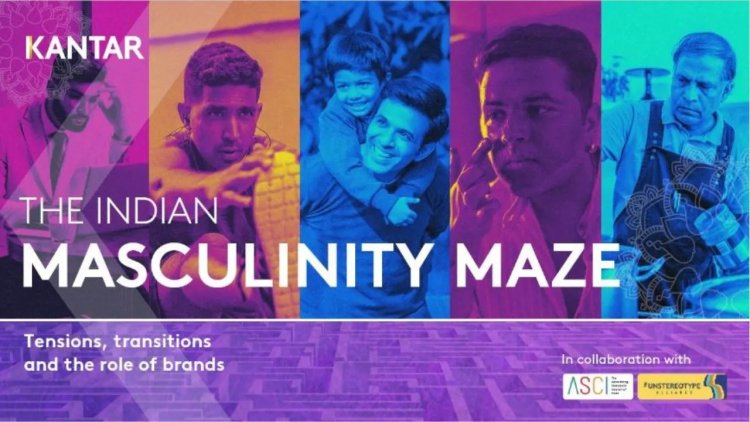
A recent comprehensive study by Kantar, titled The Indian Masculinity Maze, reveals a growing disconnect between how urban Indian men see themselves and how they are portrayed in advertising. Contrary to the common perception that only women feel misrepresented by brands, this report spotlights that men also experience disenchantment with the stereotypical and outdated depictions dominating Indian advertising today.
Research Overview
The study combined a nationwide survey of 880 urban Indian men aged 18–45 across eight cities with a detailed audit of over 450 TV advertisements broadcast on 150+ channels in 12 languages. Together, these two research components examined the tensions, transitions, and unaddressed opportunities for brands in engaging with male audiences amid a changing cultural landscape.
Executive Vice President at Kantar and co-author of the report,
“This report isn’t about rewriting masculinity overnight. It’s about recognising where men are today, often caught between tradition and transition, and helping brands engage with that complexity commercially and culturally.”
Men’s Reality vs. Advertising Portrayal
Indian men are juggling emotional pressures, expanding household roles, and shifting self-perceptions. Yet, advertisements largely fail to reflect this reality. Media portrayals still glorify the stoic provider archetype, a narrow and limiting image. Key findings include:
- 71% of men agree with the outdated adage “real men don’t cry,” even though many feel this expectation makes emotional expression difficult.
- 41% of Millennials and 31% of Gen Z men feel negatively represented in advertising, compared with only 15–17% of older generations.
- Men often suppress feelings like fear, loneliness, and vulnerability—emotions rarely acknowledged in mainstream ads.
What Ads Get Wrong: An Audit Breakdown
The advertising audit highlights a disturbing reliance on traditional tropes:
- A staggering 94% of ads reinforce conventional male roles instead of portraying evolving masculinity.
- Only 6% of male characters show respect or emotional care towards women.
- Male voiceovers dominate at 43%, implying male authority even in mixed-gender narratives.
- Men’s participation in household and caregiving roles appears in only 1% of advertisements, despite increased male involvement at home.
According to Kantar, this underrepresentation widens the gap between the reality men experience and how brands depict them.
The Business Case for Authenticity
Beyond cultural sensitivity, Kantar’s data makes a strong commercial argument:
- Advertisements showing men as empathetic and emotionally nuanced see a +63 point lift in long-term brand equity and a +44 point increase in short-term sales likelihood.
- Brands that use inclusive testing with men perform significantly better, especially in personal care and household categories.
Managing Director & Chief Client Officer, Kantar South Asia, comments:
“Most ads rely on outdated stereotypes, rarely showing men as emotionally involved or engaged at home. This widening gap is not just cultural but commercial.”
Gen Z: Navigating Complexity, Often Overlooked
Younger men, especially those in Gen Z, represent a generation in flux, managing contradictions between tradition and modern openness. Yet they frequently feel caricatured or invisible in ads:
- Over 60% feel confidence and control are overemphasized in advertising’s portrayal of men.
- 48% say grooming ads pressure men, while 32% note parenting roles for men are underrepresented.
This generation desires authentic portrayals showing vulnerability alongside strength.
Industry and Regulatory Perspectives
CEO and Secretary General of ASCI, the Advertising Standards Council of India, points out:
“ASCI launched ‘Manifest: Masculinities Beyond the Mask’ earlier this year to promote progressive portrayals of men. Partnering with Kantar now helps the industry move beyond superficial depictions toward nuanced, positive representations.”
From the broader social perspective,
Interim Country Representative, UN Women India, emphasizes:
“Gender equality requires meaningful engagement of all genders. Marketers must challenge stereotypes and foster inclusive narratives that reflect evolving aspirations.”
Roadmap for Brands
The report suggests actionable strategies for brands:
- Portray Real Lives: Show men managing everyday challenges—health, emotions, domestic duties.
- Represent Shared Roles: Normalize caregiving and emotional labor as parts of male identity.
- Focus on Emotional Journeys: Depict men in transition, not just confident figures.
- Test Inclusively: Include male perspectives in ad evaluation and creative development.
- Model Contemporary Masculinity: Combine resilience with vulnerability, leadership with empathy.
- Address Whitespaces: Explore unmet needs in male health, identity, and emotional well-being.
Conclusion
Kantar’s Indian Masculinity Maze highlights the urgent need for Indian advertising to catch up with the evolving male identity. Authenticity in portrayal is not just good ethics—it drives brand loyalty and better sales outcomes. Brands willing to embrace this complexity and move beyond outdated stereotypes will gain a competitive edge in one of the world’s most dynamic consumer markets.