Dark Patterns: How OTT Platforms Trap Indian Viewers
Survey reveals 50% of Indian OTT users struggle with hidden charges and tricky subscriptions.
 Anureet Kaur
OTT Revolution in India Faces a Dark Side
Online streaming, or OTT (Over-The-Top) platforms, changed how India watches movies and TV. In just a few years, millions ditched TV for the ease of streaming anything, anywhere. But as these platforms gained popularity, a new challenge emerged: many users feel trapped or tricked by the very apps meant to make entertainment easier.
What Are Dark Patterns?
"Dark patterns" are sneaky tricks used by websites and apps to get users to make choices against their best interests. Instead of being clear and simple, buttons to unsubscribe are hidden, extra charges are tucked in at the last step, or people are made to give more personal information than they wanted to.
The Central Consumer Protection Authority (CCPA) of India, aware of this growing problem, officially banned such practices in late 2023. They listed 13 specific types of dark patterns and directed all digital platforms in India to avoid them, including streaming services and e-commerce websites.
The Recent Survey: What Do Users Say?
A huge survey by LocalCircles gathered feedback from more than 95,000 people across 353 Indian districts. Here's what the data revealed:
- 50% of users struggled to cancel OTT subscriptions, with options often hard to find or completely hidden (the "subscription trap").
- 24% were charged even after cancelling their subscriptions, a practice called "SaaS Billing".
- 53% were surprised by extra charges to rent movies or shows even after buying a paid plan ("bait and switch").
- 47% faced hidden extra charges at checkout due to "drip pricing"—extra fees revealed only at the last payment step.
- 77% had to take unrelated actions, such as entering unnecessary credit card details or installing more apps, just to access content ("forced actions").
- 86% said that the "decline" or "cancel" buttons were small, greyed out, or hard to spot compared to large “accept” or “subscribe” buttons ("interface interference").
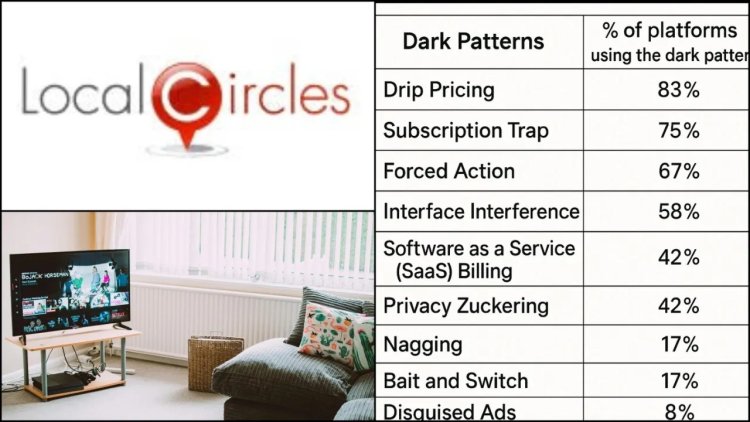
LocalCircles also found that 9 types of dark patterns are common on top OTT platforms in India. The most common include drip pricing (found in 83% of platforms), subscription traps (75%), forced action (67%), and interface interference (58%).
Why Do OTT Platforms Use These Tricks?
As India’s OTT market gets crowded, with giants like Netflix, Amazon Prime Video, Disney+ Hotstar, and local players such as JioCinema and Zee5 competing, platforms look for every edge to keep users and boost revenue. Monthly prices are often low to attract sign-ups, but platforms make up for it by hiding extra costs, introducing tiers with ads, or locking cancel options behind complex menus.
ARPU (Average Revenue Per User) in India is already amongst the world’s lowest, with cable and streaming packages averaging just ₹150–180 per month. As a result, some platforms have started charging extra for new releases, added ads to standard plans, or made unsubscribing intentionally difficult. All of this erodes the user-friendliness that once set OTT apart from regular TV.
What Is Being Done?
The CCPA’s 2023 guidelines force all platforms—streaming, retail, or otherwise—to avoid misleading design and practices. They must allow users to unsubscribe or decline offers as easily as they sign up. Violations are now subject to fines and other penalties.
Yet, most OTT platforms have not fully complied. Some argue the rules only apply to e-commerce, not streaming, and have delayed making required changes. Government warnings and a three-month compliance window have not been enough for full, industry-wide reform.
Tips for OTT Users
- Always read the small print before clicking “subscribe” or “buy.”
- If planning to cancel, look up official help guides or contact customer support directly for instructions.
- Report any hidden charges or tricky subscriptions to the Department of Consumer Affairs or use platforms like LocalCircles, which collect and pass on complaints to regulators.
Why This Matters
OTT platforms were meant to empower viewers—no more fixed broadcast times, no waiting for reruns, just instant entertainment. But as tricks and hidden charges grow, users lose trust. If platforms don’t fix these dark patterns, they may see an exodus as frustrated users return to other forms of entertainment.