Omnicom, Interpublic Merger Clears FTC Hurdle
Omnicom and Interpublic’s $13.5B merger clears FTC review, creating the world’s largest ad agency with new rules on political ad placements.
 Anureet Kaur
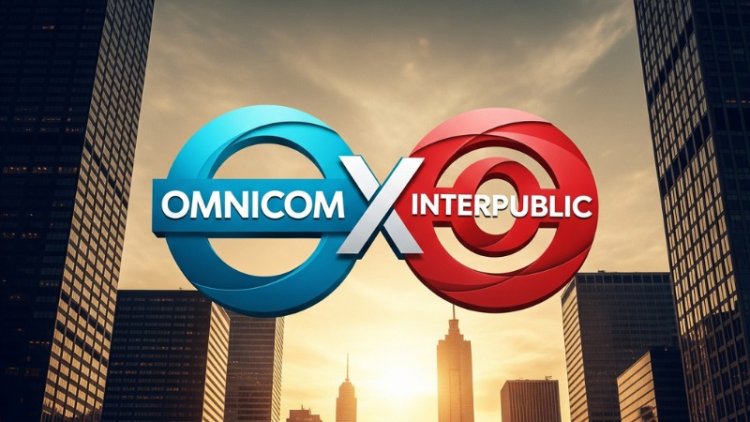
Omnicom and Interpublic Merger Gets FTC Green Light, Paving Way for Industry’s Largest Ad Agency
The advertising world is set for a seismic shift as Omnicom Group’s $13.5 billion acquisition of Interpublic Group (IPG) has cleared a crucial regulatory hurdle: approval from the U.S. Federal Trade Commission (FTC). This milestone brings the industry closer to the creation of the world’s largest advertising agency, combining two giants with deep pools of talent and global reach.
A Historic Merger in the Making
Announced in December 2024, Omnicom’s all-stock deal to acquire Interpublic is valued at $13.5 billion. Once finalized, the merged entity will boast an estimated $25 billion in annual revenue, surpassing all other global ad holding companies in size and influence. The merger brings together iconic agency networks such as BBDO, TBWA, and McCann Worldgroup, promising a comprehensive suite of marketing and sales solutions that blend creativity with cutting-edge technology.
John Wren, Chairman & CEO of Omnicom, described the FTC’s decision as “an important step toward the completion of the proposed acquisition and creating a new era in which we help clients grow with a comprehensive range of marketing and sales solutions, incorporating both creativity and technology”. Philippe Krakowsky, CEO of Interpublic, added that the merger will combine complementary capabilities and geographic strengths, making the new entity exceptionally well-positioned to meet the evolving needs of clients in a rapidly changing media landscape.
FTC’s Unique Consent Order: No Political Ad Steering
The FTC’s approval comes with a rare and specific condition: the merged company is prohibited from making agreements with other parties to steer advertising dollars toward or away from publishers based on political or ideological content. This means Omnicom and IPG cannot collude to boycott or favor media outlets due to their political stances, a move designed to protect both competition and the integrity of public discourse.
Daniel Guarnera, Director of the FTC’s Bureau of Competition, emphasized, “Coordination among advertising agencies to suppress advertising spending on publications with disfavored political or ideological viewpoints threatens to distort not only competition between ad agencies, but also public discussion and debate”. The FTC’s consent order ensures that while advertisers can still choose where their ads appear, agencies themselves cannot engage in or facilitate politically motivated boycotts or exclusions.
What Happens Next?
The FTC granted early termination of the waiting period under the Hart-Scott-Rodino Antitrust Improvements Act, but the consent order is now subject to a 30-day public comment period before final acceptance The merger is also under review by regulators in the UK and Australia, with both companies expressing confidence that all approvals will be secured for a closing in the second half of 2025.
Industry Impact: A New Era for Global Advertising
Once completed, the Omnicom-Interpublic merger will reshape the global advertising landscape. The combined company will have unmatched scale, resources, and reach, serving clients worldwide with a blend of creativity, data, and technology. However, the FTC’s conditions also signal a new era of regulatory scrutiny, especially around issues of political bias and competition in media buying.
The deal’s approval comes amid broader debates about advertiser boycotts, political speech, and the responsibilities of ad agencies in shaping media ecosystems. The FTC’s action is seen as both a safeguard against anti-competitive practices and a response to concerns about ideological bias in advertising decisions.
The FTC’s clearance of the Omnicom-Interpublic merger marks a turning point for the advertising industry. With strict conditions to prevent political collusion, the deal is poised to create a new global leader in marketing and media. As the final regulatory steps unfold, the world will be watching how this mega-merger shapes the future of advertising and the balance between business power and public discourse