Licious Aims to Become the ‘Amul of Meat’ by Turning Content into Culture
Discover how D2C brand Licious is leveraging creator marketing, regional strategies, and protein-focused content to transform India’s $60 billion meat and seafood industry.
 Sandhya
For decades, purchasing fresh meat and seafood in India was a transactional, often uninspiring experience. Discrepancies in quality, hygiene concerns, and discreet black plastic packaging kept the category functional and hidden.
D2C brand Licious is determined to change that dynamic completely. By leaning heavily into content creation, regional storytelling, and category-building campaigns, the brand aims to make ordering meat as culturally iconic as buying dairy products from Amul.
"If, 18 months from now, people say, ‘Licious order karte hain?’ instead of saying ‘chicken order karte hain’, then we'll know we've succeeded in becoming part of the culture," says Varun Khanna, SVP of Marketing at Licious.
Content Shift: From Supporting Act to Strategy Lead
Over the past 18 months, Licious has overhauled its marketing distribution. What used to be a secondary digital channel now accounts for 15% to 20% of its total marketing spend, up from virtually zero five years ago.
The shift is yielding tangible results:
- Consideration metrics climbed from 41% to 57% over the last 18 months.
- During the launch of its chicken momo line, 80% to 90% of the marketing budget went directly into creator ecosystems.
- The product rapidly captured significant market share across quick-commerce platforms in a competitive ₹30,000-crore ($3.6 billion) market segment.
Overcoming Trust Barriers Through Influencer Storytelling
Because fresh meat purchasing in India comes with anxiety around sourcing and hygiene, traditional brand messaging often falls short. Licious leverages credible third-party voices to validate its backend quality.
- On-Site Transparency: Regional creators, such as culinary influencer Natasha Gandhi, are brought directly to farms and processing plants to document quality control.
- Demographic Reach: Partnerships with stand-up comedian Gaurav Kapoor and lifestyle creator Rebel Kid drive top-of-funnel reach, while celebrities like Farah Khan connect with premium, food-centric households.
Hyper-Local Campaigns for a Fragmented Market
India does not have a unified meat-eating culture, requiring localized strategies across Licious's 18 operational cities.
Key Regional Initiatives
- Tamil Nadu (Chennai): The "Tharam Adhu Nirantharam" campaign highlighted household dynamics surrounding fish buying, using local couple creators to address quality concerns.
- Metros (Mumbai, Delhi, Bengaluru): Focuses on quick snacking and high-protein lifestyles tailored to migrant populations.
- Cross-Generational Word-of-Mouth: Regional content drives awareness across city borders. For example, Bengali or Malayali parents viewing curated fish content frequently recommend the platform to their adult children living in other metros.
Reimagining Packaging and App Experience
The effort to build culture reaches physical touchpoints and proprietary digital platforms.
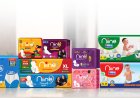
- Packaging Overhaul: Replacing traditional black plastic bags with modern, transparent packaging designed to eliminate stigma and celebrate farmers and fishermen.
- App Personalization: With 75% to 80% of sales coming through its native app and a 90% repeat customer rate, Licious customizes digital storefronts. A customer in Kolkata sees regional staples like Rohu and Katla, while out-of-stock messages explain specific sourcing or quality constraints rather than displaying generic system errors.
The Next Frontier: "Our Good Protein"
Licious is positioning meat as an everyday, hassle-free protein solution through its Our Good Protein (OGP) initiative.
- Daily Protein Range: Pre-portioned 200-gram chicken breast offerings (delivering 30g of protein with minimal prep) now match half of the monthly volume generated by their momo lineup.
- Cultural Re-framing: Partnering with events like HYROX to promote real food over synthetic options.
"Protein should be eaten on a plate, not consumed in a glass," Khanna notes, highlighting the ambition to move consumers away from reliance on powders and shakes.
A Long-Term Play in an Unorganized Market
Licious allocates roughly 6% to 8% of its revenue to advertising, prioritizing brand equity over quick direct-response returns.
With 93% of the Indian meat and seafood market still unorganized, physical retail, quick commerce, and digital D2C platforms combined make up the remaining 7%. Despite an 11-year operational track record, Licious views its journey as just beginning.