AI Tricks Industry As Fake Amul Ad Goes Viral Fast
A fake AI-generated Amul ad fooled audiences and marketers, highlighting how easily technology can replicate iconic brand styles and raising concerns about authenticity and trust.
 Anupriya
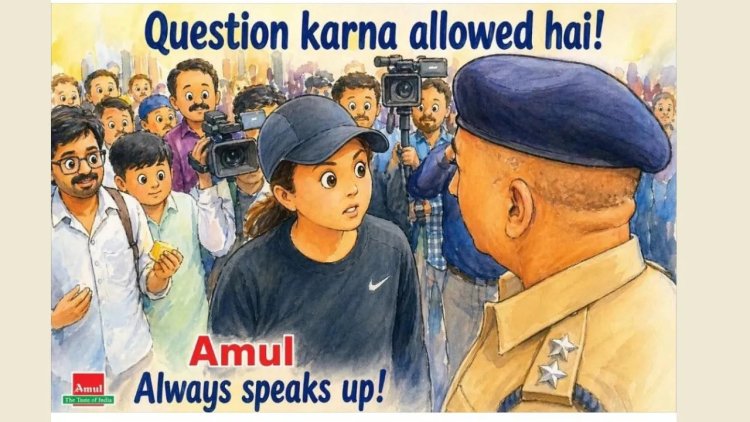
A viral Amul-style topical ad recently caught everyone’s attention, ticking all the right boxes of wit, timing, and cultural relevance. There was just one problem. It wasn’t created by Amul. The ad was generated using artificial intelligence, yet it managed to fool not just audiences but even seasoned advertising professionals.
The creative was based on a trending Mumbai incident and mirrored Amul’s signature style so closely that it felt completely authentic. From the familiar illustration format to the clever wordplay, everything aligned with what people have come to expect from the brand over decades. Naturally, it was widely shared across social media without a second thought.
The confusion was only cleared when Amul confirmed that the ad was not theirs. By then, the content had already made its rounds, sparking conversations across the industry. The bigger question was not who made it, but how easily people believed it.
The answer lies in habit and consistency. Amul has built a legacy of topical advertising since the 1960s, training audiences to expect timely commentary on current events. When something fits that pattern perfectly, people rarely stop to question its authenticity.
What makes this incident more striking is the role of AI. Tools today can replicate distinct brand styles within minutes, something that once required deep creative expertise. This shift challenges the very foundation of brand identity.
For advertisers, the takeaway is clear. Visual familiarity is no longer enough to guarantee authenticity. As AI continues to evolve, brands will need to rely more on credibility, voice, and trust to stand apart in an increasingly imitative digital landscape.