Niine Targets ₹1,000 Crore Plus Revenue by FY30, Expanding Across India's Hygiene Basket
Backed by in-house manufacturing in Gorakhpur, the brand's five-year roadmap focuses on strong brand building, omnichannel reach across modern trade, general trade and e-commerce, and a portfolio built around changing consumer needs
 Sandhya
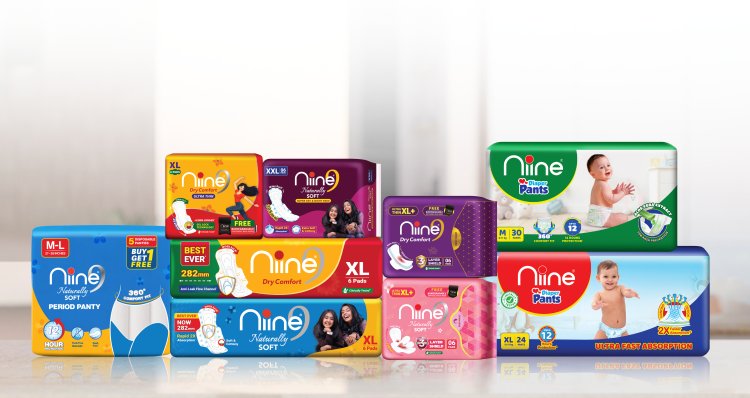
Indian hygiene and personal care brand Niine has unveiled a comprehensive five-year expansion roadmap, targeting ₹1,000 crore+ in revenue by FY30. Following eight years of category building and product innovation, the brand is scaling up operations through manufacturing expansions, deeper general trade reach, and portfolio diversification into adjacent hygiene segments.
Eight Years of Consumer-Led Growth
Founded on May 28, 2018 (Menstrual Hygiene Day) by entrepreneur Amar Tulsiyan, Niine began its journey in menstrual hygiene. The brand reported ₹32.46 crore in revenue in FY19—its first full financial year—and grew 10-fold to reach ₹325 crore by FY26. Niine also turned EBITDA-positive in FY26, establishing a strong financial base with a target EBITDA margin of 15% by FY30.
To support this trajectory, Niine invested over ₹100 crore in its manufacturing facility in Gorakhpur, Uttar Pradesh, under the state's super mega industrial category, generating over 1,000 direct jobs. Further investments are planned to build additional capacity for future product lines.
Key Pillars of the Five-Year Growth Plan
- Revenue Milestone: Target ₹1,000 Cr+ turnover by FY30.
- Manufacturing Expansion: Further investments in the Gorakhpur facility following the initial ₹100 Cr+ commitment.
- Distribution Footprint: Expand general trade coverage from 18+ states to pan-India presence, while strengthening modern trade and e-commerce channels.
- Market Reach: Target both Tier 1 metros and Tier 2 markets via strategic retail partnerships.
- Portfolio Extension: Enter adjacent personal hygiene categories across all life stages.
Innovations and Social Impact Initiatives
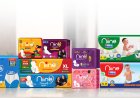
Niine’s product strategy has centered on solving unaddressed consumer needs. The brand was among the first in India to introduce resealable packs for hygienic handling on the go and biodegradable disposal bags inside sanitary napkin packs. To improve access, Niine installed sanitary napkin vending machines in educational institutions and public facilities across the country.
Alongside product innovation, Niine led awareness campaigns including #LetsTalkPeriods, a partnership with IPL team Rajasthan Royals, and community initiatives like The Niine Movement and Run4Niine. In May 2026, the brand launched a digital-first series for Menstrual Hygiene Day highlighting product solutions tailored to diverse consumer needs.
Portfolio Expansion & Demographics Alignment
Having already expanded from feminine hygiene into baby care (baby diapers), Niine plans to follow demographic shifts by entering the adult hygiene market.
According to the UNFPA India Ageing Report 2023, India’s population aged 60 and above stood at approximately 149 million (10.5% of the total population) in 2022 and is projected to reach 347 million by 2050. Niine aims to address these demographic changes by filling gaps in adult care with high-quality, accessible products.
"We learnt that the categories people find hardest to discuss are often the ones most in need of a better product. That’s why we started a conversation nobody wanted to have with our ‘Let’s Talk Periods’ campaign. Niine will continue to step into hygiene spaces that are not explored enough. Our ₹1,000 crore ambition reflects the scale of the opportunity ahead, and we intend to achieve it by reaching many more Indian homes with a portfolio that caters to every stage of life." — Amar Tulsiyan, Founder, Niine
About Niine
Niine is an Indian personal hygiene brand founded in 2018. Headquartered in Gurgaon with manufacturing operations in Gorakhpur, Uttar Pradesh, Niine offers products across menstrual and baby care. The brand serves consumers in over 20 Indian states through modern trade, general trade, and e-commerce, as well as international markets including Nepal.