Imagicaa reimagines faith experiences with immersive devotional park in Shirdi
magicaa expands into devotional tourism with its Shirdi park, blending spirituality, storytelling, and immersive technology to create engaging faith-based experiences for modern pilgrims and families.
 Anupriya
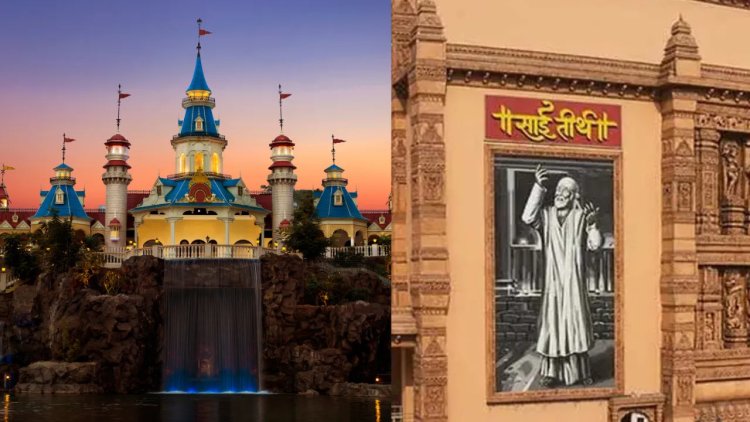
Faith journeys in India have long followed a familiar rhythm, early morning darshans, long queues, and moments of quiet devotion. But as travel evolves, so do expectations. Imagicaa is stepping into this shift with a unique offering in Shirdi, where spirituality meets immersive storytelling.
Known for its entertainment parks, Imagicaa is now exploring a different emotional space, one rooted in devotion. Its Shirdi-based devotional theme park is not about thrill rides or adrenaline. Instead, it focuses on creating an experience that deepens spiritual connection while engaging visitors in a more interactive way.
At first glance, the idea of a theme park in a pilgrimage destination might seem unexpected. But the concept is built on a simple insight. Today’s visitors are not just seeking rituals, they are also looking for meaningful experiences that help them understand and connect with the stories behind their faith.
The park brings to life the teachings and journey of Sai Baba through a mix of technology and storytelling. Instead of static displays, visitors encounter immersive formats such as 5D shows, animatronics, and visual narratives that recreate significant moments. The storytelling is designed to be engaging without losing its emotional depth.
This approach allows visitors to experience devotion in a more structured and accessible format. For many, especially younger audiences, it offers a way to connect with spiritual narratives that might otherwise feel distant or abstract.
Importantly, the park is positioned as a complement to the traditional pilgrimage, not a replacement. The temple remains central to the visit, while the park adds another layer of understanding. It helps contextualise the spiritual experience, making it more holistic.
Families are likely to find this format particularly appealing. While older members may be drawn to the devotional aspect, younger visitors often engage more with interactive and visual storytelling. By combining both, the park creates a shared experience that appeals across generations.
From a business perspective, this move also reflects a smart diversification strategy. Imagicaa has built its reputation on entertainment driven destinations. By entering the devotional tourism space, it taps into a segment that is less seasonal and more consistent in footfall.
Shirdi, as a location, strengthens this strategy. As one of India’s most visited pilgrimage destinations, it attracts millions of devotees every year. This steady stream of visitors creates an opportunity for experiences that go beyond the temple visit.
At the same time, the concept comes with its own challenges. Blending faith with entertainment requires a careful balance. The experience must remain respectful and authentic, while still being engaging enough to hold attention.
Imagicaa appears to be mindful of this balance. The focus remains on storytelling that honours the spiritual essence, with technology acting as a medium rather than the highlight. The aim is not to create spectacle, but to enhance understanding.
This reflects a broader trend in tourism. Destinations are increasingly moving toward experience led offerings. Visitors today want more than just a place to visit, they want something to remember. Whether it is cultural, historical, or spiritual, the emphasis is on engagement.
The Shirdi initiative fits into this larger shift. It shows how traditional experiences can be reimagined without losing their core meaning. By adding layers of storytelling and interaction, it creates a richer and more memorable journey.
For Imagicaa, this is more than just an expansion. It is a redefinition of what a theme park can be. Instead of focusing only on entertainment, it explores how experiences can evoke emotion, reflection, and connection.
As tourism continues to evolve, such hybrid models are likely to become more common. They bridge the gap between tradition and modern expectations, offering something that feels both familiar and new.
In the end, the success of such initiatives will depend on how well they respect the essence of faith while enhancing the overall experience.
Because when done right, even the most traditional journeys can find new ways to connect with people.