OpenAI Readies ChatGPT for Ads: Will the Experience Change Forever?
OpenAI is laying the groundwork to introduce advertising inside ChatGPT, hiring ad-tech experts, crafting internal campaign systems, and looking to monetize the chatbot’s vast, fast-growing user base by 2026.
 Sandhya
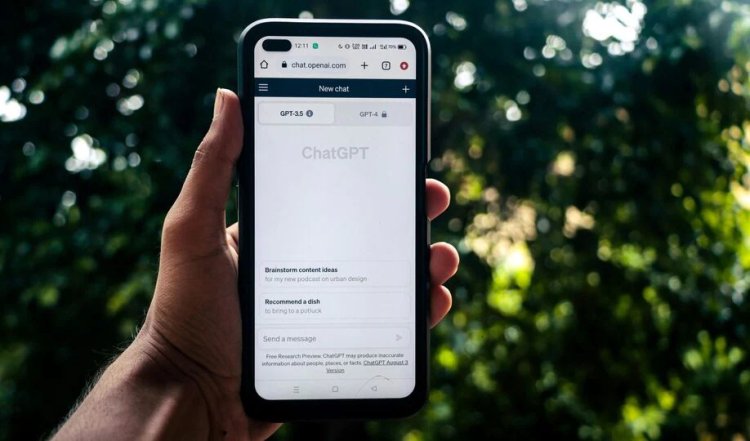
OpenAI, the innovative force behind the world’s most buzzed-about AI chatbot, is getting ready to turn a historic page in how users interact- and how the company makes money. Recent hints from leadership, job postings, and a series of strategic hires point to a future where ads will be part of the ChatGPT user experience, potentially transforming not just the company’s own fortunes, but the very fabric of AI-assisted digital interaction.
Building the Foundation: New Teams, New Leadership
The advertising push is happening under the watchful eye of Fidji Simo, OpenAI’s new CEO of Applications and a former executive at Meta and Instacart. She’s seeking ad-tech veterans, including engineers for a “ChatGPT Growth” team and potential chiefs to run the monetization division. This elite group’s mandate? Lay the technical groundwork for OpenAI’s first in-house paid marketing platform- something only the biggest tech giants have built from scratch.
Engineers will handle campaign management tools, build real-time attribution tech, integrate with major ad platforms, and design dashboards so brands can launch, monitor, and optimize paid campaigns directly inside ChatGPT.
Why Monetize Now? 700 Million Reasons
ChatGPT’s growth has been explosive. The AI now boasts 700 million weekly active users- quadruple its user base from just a year ago. While paid subscriptions contribute, the sheer scale of its free user base has made advertising both an irresistible revenue opportunity and a logistical necessity. This is about more than just profit; it’s OpenAI’s shot at building a self-sustaining business model that can fund ever-larger AI ambitions.
The company already signaled its intent by running its first Super Bowl ad earlier this year and recently handing its global media agency mandate to Omnicom’s PHD. The new “ChatGPT Growth” team is set to turn this marketing hope into an operational engine.
What Might Ads on ChatGPT Look Like?
Industry analysts expect OpenAI’s ad model to eventually mirror those of Google, Meta, and Amazon, where advertisers can set campaign goals, and the platform autonomously handles the placement, execution, and reporting. Early reports suggest ads could appear for free users first- possibly as sponsored responses or branded content woven into chatbot interactions when relevant, rather than simply interrupting conversations.
The technical job postings emphasize experimentation frameworks, attribution accuracy, and user experience- acknowledging the fine line between helpful information and intrusive ads. OpenAI seems keen to balance monetization with maintaining user trust, especially as surveys indicate high consumer confidence in AI-produced content could quickly erode if ads disrupt the flow or feel intrusive.
The Commerce Engine Ahead- And What Could Change
Executives hint that ChatGPT isn’t just aiming to be another ad channel; it could one day evolve into a powerful “commerce engine,” helping users make informed purchase decisions and transacting right in the chat window. Imagine a world where a chatbot not only recommends a product or a service but facilitates the purchase seamlessly- an experience neither Google Search nor Amazon currently replicates at scale.
Still, OpenAI’s leadership is aware of the risks- ads could add friction or diminish the perceived wisdom and neutrality that have been ChatGPT’s core strengths. That’s why the monetization teams are moving cautiously, with planned tests, internal infrastructure, and possible phased rollouts leading up to a broader launch, likely by 2026.
The Bigger Picture: New Revenue, New Questions
This move aligns OpenAI with a long tradition of digital companies- search engines, social platforms, and e-commerce leaders- that have harnessed advertising to build global empires. But for AI, especially a tool as popular as ChatGPT, it also opens fresh questions about data privacy, sponsored content’s influence on answer quality, and the very nature of “free” information on the web.
As OpenAI tests, refines, and- eventually- launches ChatGPT ads, the digital world will be watching: Will ads make ChatGPT even more powerful and accessible, or will the classic tradeoff of convenience for commerce tip the delicate balance that made it a sensation in the first place?
With 700 million users and the tech world’s attention, OpenAI’s advertising adventure is just beginning. The next chapter of ChatGPT will not just answer questions- it could shape the business model of conversational AI itself.