From Spaces to Experiences: Karan Mehta on the Future of Commercial Real Estate
Karan Mehta, Executive Director – Projects, Orion One32, discusses his journey from architecture to real estate, the rise of experience-led commercial destinations, and the future of commercial spaces in India.
 Sandhya
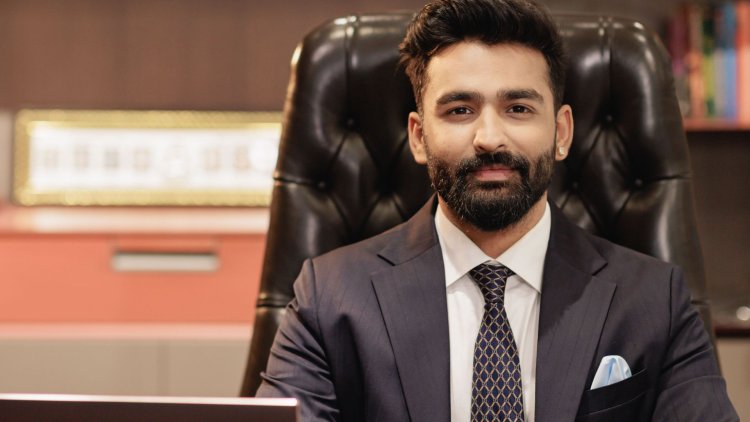
Karan Mehta, Executive Director – Projects, Orion One32, brings an architectural perspective to the evolving world of commercial real estate. His journey from architecture and on-ground construction to leading a 10-acre commercial development reflects a broader shift in the industry, where design, functionality and consumer experience are increasingly coming together.
As commercial real estate moves beyond conventional office and retail formats, developments are becoming integrated destinations that combine work, dining, wellness, entertainment and retail. In this conversation, Mehta discusses his professional journey, the rise of experience-led destinations, the role of architecture in commercial performance, and what it will take to keep developments relevant in a rapidly changing market.
From Architecture to Project Leadership
My journey into real estate began through architecture. Studying architecture taught me to understand design, materials, light and how people interact with spaces, but working on construction sites made me realise that I enjoyed bringing those designs to life even more.
Projects like Hindon Airport and Akasa Tower gave me hands-on experience in execution and leadership. Orion One32 was the next big step. Being entrusted with a 10-acre development at a relatively young age has been a huge responsibility, but my architectural background helps me understand both the vision behind a project and what it takes to actually build it.
The Evolution of Commercial Real Estate
Commercial real estate is becoming much more integrated. People no longer want isolated offices, shops or restaurants. They want destinations where work, dining, fitness, retail and entertainment can coexist.
The focus is shifting from simply providing square footage to creating an entire ecosystem. I believe the strongest commercial developments of the future will be places people choose to spend time in, rather than places they visit only because they have a specific task to complete.
The Rise of Experience-Led Destinations
Consumer behaviour is the biggest driver. Almost anything can be bought online today, so physical destinations need to give people a reason to step out.
Indian consumers are also younger, more travelled and increasingly exposed to global experiences. They expect better design, convenience, dining, wellness and entertainment in one place. Commercial real estate therefore has to compete not only for people’s money, but also for their time and attention.
Building an Identity Beyond Location
A great location can bring someone to a project once, but the experience is what brings them back.
A destination creates its own identity through architecture, landscaping, the right mix of brands, food, wellness, entertainment and even the way people move through the space. The strongest developments have a personality of their own. Eventually, the project itself should become the destination rather than simply being known by its address.
Architecture as a Driver of Commercial Performance
Architecture has a much bigger commercial impact than people sometimes realise. Natural light, walkability, visibility, circulation, open spaces and even where you position restaurants or gathering areas can influence how people move through and experience a development.
My architectural training has taught me that good design should feel effortless to the person using it. If people enjoy being in a space, they stay longer, explore more and are more likely to return. That ultimately contributes to stronger footfall and commercial value.
Balancing the Needs of Multiple Stakeholders
The challenge today is that every stakeholder expects something different. Businesses want efficiency, employees want better work environments, consumers want experiences and investors want sustainable long-term returns.
The developer’s role is increasingly about finding the intersection between all four. That requires flexible design, technology, strong amenities and thoughtful planning. A successful development should create value for everyone who interacts with it, not just the person who owns the space.
Designing for the Next Decade
Adaptability will be one of the most important factors. Technology and the way people work, shop and socialise are changing too quickly to build spaces around one fixed idea.
Developments need flexible planning, smart infrastructure, sustainability and the ability to evolve with changing consumer and business requirements. As a developer, I constantly think about whether something we build today will still make sense ten or twenty years from now. That question should influence every major decision.
Learning Beyond the Drawing Board
Spend as much time on site as you possibly can. Architecture school teaches you how to imagine a building, but construction teaches you how a building actually comes to life.
Be willing to learn from everyone, whether it is an architect, engineer, contractor, vendor or someone working on site. I entered this industry young, and one thing I learned quickly is that credibility cannot be inherited or demanded. You earn it by knowing your work, taking responsibility and consistently delivering. Stay curious, take calculated risks and never be afraid of choosing a different path.
Building the Future of Commercial Destinations
For Mehta, the future of commercial real estate lies in creating developments that can adapt while offering people more reasons to engage with physical spaces. The shift from conventional commercial formats to experience-led destinations is likely to make design, planning and flexibility increasingly important to long-term success.
With his architectural foundation informing his approach to execution and development, Mehta’s perspective highlights a larger industry transition: commercial spaces are no longer being designed simply as places to work, shop or transact, but as destinations built around how people want to live, work and spend their time.