From Soap to Toothpaste: How New Veg/Non-Veg Labelling Rules Will Change Packaging and Brand Communication
India mandates green and red/brown dots on soaps, shampoos, and cosmetics. Here is how the new labelling rules impact packaging, design, and FMCG marketing.
 Sandhya
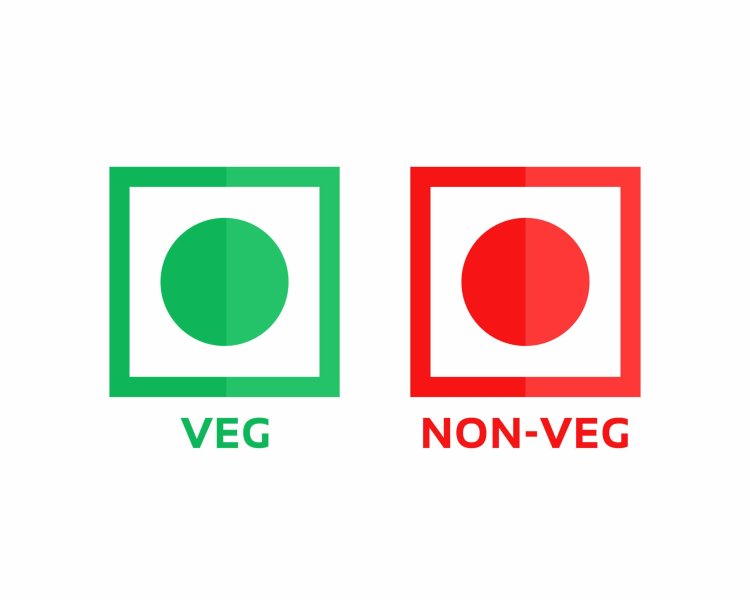
Your next toothpaste, soap, or shampoo could soon carry a symbol telling you whether its ingredients are of vegetarian or non-vegetarian origin.
While shoppers in India are accustomed to checking food packages for green and red dots, non-food personal care products have largely operated without mandatory origin markers. That is now changing. The Central Government has expanded dietary-style origin labelling to everyday personal care and cosmetic items, shifting a key compliance mandate directly onto the front of the pack.
What Has Changed?
The Central Government has amended the Legal Metrology (Packaged Commodities) Rules, 2011, introducing mandatory origin markers for a broad category of non-food personal care items.
The amendment officially came into effect on 21st September 2026, as first reported by India Today. The updated regulations require manufacturers to state the origin of product ingredients clearly through standardized color-coded symbols, bringing personal care items in line with packaged food standards.
What Will the Symbols Mean?
Under the amended rules, the packaging symbols follow a familiar visual hierarchy:
- Green Dot: Indicates that the product and its ingredients are entirely of vegetarian origin.
- Red or Brown Dot: Indicates that the product contains ingredients of non-vegetarian origin (such as animal-derived fats, glycerine, or gelatin derivatives).
- Placement: The symbol must be displayed prominently at the top of the main display panel (the primary facing side) of the package.
Which Products Are Covered?
The mandate applies to a wide range of daily-use personal care items, cosmetics, and hygiene products, including:
- Soaps and body washes
- Shampoos and conditioners
- Toothpastes and oral hygiene products
- Cosmetics and skin lotions
- General toiletries
What Does This Mean for Brands and Packaging Teams?
For personal care brands, cosmetics companies, and FMCG marketers, this regulation is more than an operational checkbox—it is a direct modification of front-of-pack design.
1. Packaging Redesigns and Inventory Cycles
Design and compliance teams will need to update primary packaging layouts across thousands of Stock Keeping Units (SKUs). Because the symbol must sit at the top of the main display panel, artwork adjustments must balance regulatory visibility with existing visual identity, logos, and product claims.
2. Supply Chain and Formulation Audit
Brands will need complete transparency from ingredient suppliers to verify whether components like stearic acid, glycerine, squalene, or lecithin stem from plant or animal sources. Accurately classifying every SKU will be critical to avoiding regulatory penalties and mislabeling risks.
3. Shift in Front-of-Pack Hierarchy
The top portion of a product's main panel is prime branding real estate. Placing a mandatory symbol here requires thoughtful visual planning so that brand logos, key benefit callouts, and variants remain clear and readable on crowded retail shelves.
Why Marketers Should Pay Attention
Regulatory updates often ripple directly into brand perception and consumer trust.
In a market where many consumers hold strong personal, ethical, or religious preferences regarding animal-derived ingredients, clear visual cues reduce ambiguity. For brands that already formulate with 100% plant-based or synthetic ingredients, displaying the green symbol offers immediate validation on the shelf without requiring consumers to decode complex back-of-pack ingredient lists.
Conversely, brands using animal-derived ingredients must prepare for heightened consumer awareness at the point of purchase. How a brand communicates its product choices, benefits, and sourcing will become an essential element of ongoing marketing and public relations strategies.
Looking Ahead
By shifting origin labelling directly to the top of the main display panel, these updated regulations bring ingredient transparency to the front of the shelf. For packaging designers, brand managers, and marketers across the personal care sector, the immediate focus will be auditing ingredient supply chains and refining front-of-pack artwork to balance compliance with brand identity.