
- Amul began in 1946 as a milk co-operative in Kaira district, set up so farmers would not be exploited by middlemen.
- Its model keeps prices low for consumers while returning most of the value to millions of member farmers.
- The Amul girl, running since 1966, gives the brand a daily voice on the news at very low cost.
Amul: origin & market gap
Amul started on 14 December 1946 as the Kaira District Co-operative Milk Producers' Union in Gujarat. Local farmer leader Tribhuvandas Patel set it up to break the hold of traders who controlled milk collection and paid farmers poorly. Verghese Kurien joined in 1949 and went on to lead the effort that became Operation Flood and India's White Revolution. It began small, with milk pooled from village societies in one district.
The gap was on both sides of the market. Farmers needed a fair price and a reliable buyer. Consumers needed safe, affordable milk and dairy products. The Amul marketing strategy grew from this model: farmers own the business, and the brand competes on value and trust rather than premium pricing. Today Amul is marketed by GCMMF, which pools the output of district unions across Gujarat under one brand.
Amul marketing mix (4Ps)
From milk to everything dairy
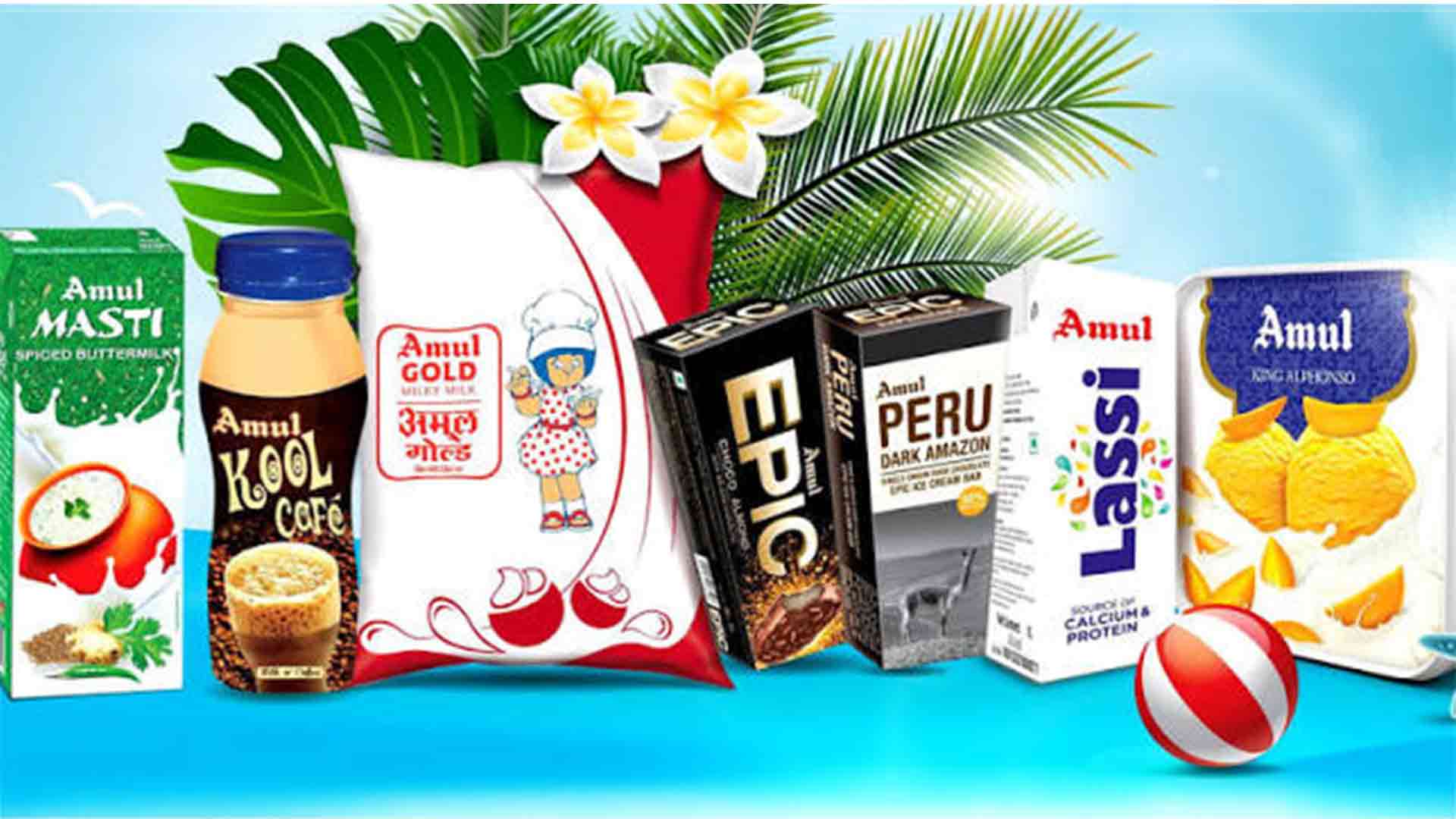
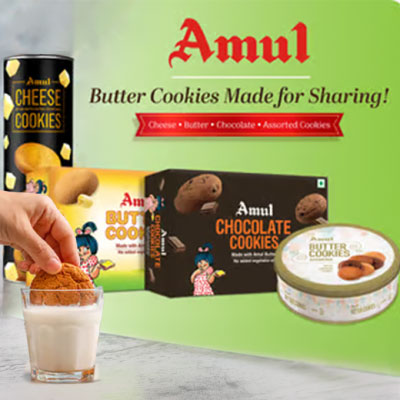
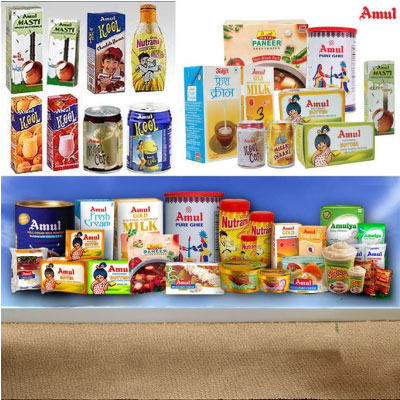
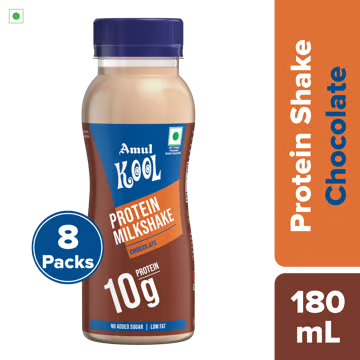
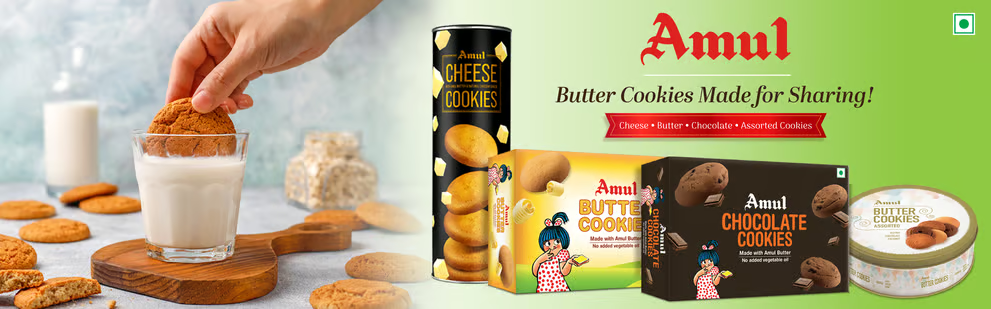
Amul began with milk and butter and now spans cheese, ghee, ice cream, chocolates, paneer, curd and beverages. Each new category uses the same milk supply and the same brand trust. Stretching one trusted name across categories saves on marketing and speeds up acceptance of new products.
- Butter, milk and ghee as the core
- Ice cream, cheese and chocolates
- Newer protein and fresh products
Value pricing by design
As a co-operative, Amul does not chase high margins for shareholders. It aims for fair prices to consumers and good returns to farmers, which lets it undercut many private and multinational brands. Low prices are a direct result of the co-operative model rather than a discount tactic.
- Prices set for mass affordability
- Low marketing spend as a share of sales
- Farmer returns as the main goal
The Amul girl and topical wit
Created in 1966 by Sylvester daCunha and Eustace Fernandes, the Amul girl comments on current events through hand-painted hoardings and press ads. The long-running Utterly Butterly Delicious campaign turns news into free publicity. The girl gives the brand a personality, and her topical wit keeps it in daily conversation.
- Topical ads on news and cricket
- Utterly Butterly Delicious butter line
- The Taste of India umbrella tagline
Co-operative supply, national reach
Milk is collected from village societies, processed by district unions and sold by GCMMF across India through distributors and Amul parlours. The brand has since signed deals to sell fresh milk in the US and Spain. Owning the supply end gives Amul control over quality and cost.
- Village-level milk collection
- Amul parlours and kirana stores
- Entry into the US and Spain
Amul brand journey
- 1946Kaira District Co-operative Milk Producers' Union is registered in Gujarat.
- 1949Verghese Kurien joins and begins building the co-operative dairy model.
- 1966The Amul girl is created for Amul butter advertising.
- 1970Operation Flood begins, scaling the Anand model across India.
- 1973GCMMF is set up to market the products of Gujarat's district unions.
- 2024Amul signs an agreement to sell fresh milk in the United States.
Official Amul channels
Direct verified channels for Amul.

Challenges & response
Amul advertising campaigns
Utterly Butterly Delicious
The Amul girl campaign for butter, recognised by Guinness as the world's longest-running ad campaign.
Key learnings from the Amul case study
Ownership structure can be a marketing advantage.
A mascot with a point of view keeps a brand in the news.
Low prices build trust when quality holds.
Use one strong brand across many categories.
Frequently asked questions about Amul
Who owns Amul?
Amul is owned by its farmer members through a co-operative structure. Village milk societies feed into district unions, and the Amul brand is marketed by the Gujarat Cooperative Milk Marketing Federation (GCMMF), headquartered in Anand, Gujarat. The co-operative was set up in 1946 in Kaira district.
Who created the Amul girl?
The Amul girl was created in 1966 by Sylvester daCunha and art director Eustace Fernandes. The campaign moved to daCunha Communications when that agency was founded in 1969. Her topical ads have run for decades and hold a Guinness record as the world's longest-running ad campaign.
What is Amul's marketing strategy?
Amul's marketing strategy combines value pricing, a farmer-owned supply chain and the Amul girl's topical ads. The co-operative keeps prices affordable, extends one trusted brand across many dairy categories and uses witty hoardings on current events to stay visible at low cost.
What is Amul's tagline?
Amul butter's famous tagline is Utterly Butterly Delicious, used with the Amul girl since the 1960s. The wider brand uses the line Amul, The Taste of India, which links its products to national pride and everyday Indian food. Both lines are among the best known in Indian advertising.
Who are Amul's competitors?
Amul competes with Mother Dairy, state co-operatives such as Karnataka's Nandini, private dairies like Hatsun, and FMCG companies such as Nestle and Britannia in categories like dairy whitener, cheese and ice cream. Amul's edge is its farmer-owned supply, value pricing and trusted brand.
Curated and verified by the Sociapa Research Desk. Brand names, trademarks, and logos belong to their respective owners.